2026 Top Beauty Bed Trends for Global Buyers to Consider?
In the rapidly evolving beauty industry, the significance of a well-designed Beauty Bed cannot be overstated. By 2025, the global beauty and personal care market is projected to reach $750 billion, according to Statista. This growth emphasizes the need for innovative salon equipment, including high-quality Beauty Beds. These beds not only enhance customer experience but also improve service efficiency.
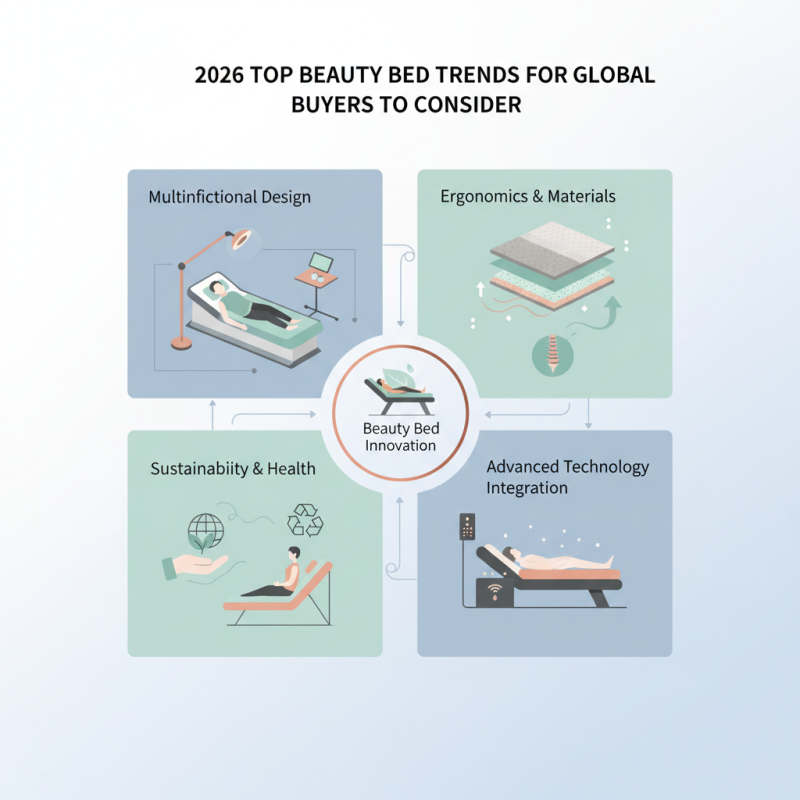
As salons and spas diversify services, the demand for multifunctional Beauty Beds rises. For instance, the integration of ergonomic design and advanced materials is increasingly valued. A recent survey highlighted that over 70% of beauty professionals prioritize comfort and durability in their equipment choices. However, many buyers still overlook the long-term impact of these investments.
Choosing the right Beauty Bed is crucial for both service quality and customer satisfaction. Buyers often face the challenge of balancing aesthetics and functionality. Additionally, with increasing competition, it is vital to stay ahead of trends. Many establishments are yet to explore sustainable options, reflecting a need for deeper market awareness. Addressing these aspects will not only enhance business but also build client loyalty.
Emerging Aesthetic Trends in Beauty Bed Design for 2026
The aesthetic trends in beauty bed design for 2026 are shaping up to be both innovative and thoughtful. Minimalist designs are gaining popularity. Clean lines and neutral colors create a calming environment. This simplicity can enhance the overall client experience. However, striking a balance between simplicity and comfort remains a challenge. Designers must ensure beds are not only visually appealing but also functional.
Moreover, sustainable materials are becoming a focal point. Eco-friendly fabrics and recyclable components are not just trends; they are essential considerations. Using materials that align with environmental values can attract more conscious consumers. Yet, there can be uncertainty about sourcing these materials. Quality and durability must still be prioritized, which can complicate design choices.
Technology integration is also on the rise. Features like adjustable settings and built-in heating elements offer personalized experiences. However, the complexity of such integrations may pose usability issues. Designers must consider how to make these systems straightforward and user-friendly. The evolving demands in beauty bed design reflect a need for flexibility and continual improvement. Each choice impacts both the aesthetic appeal and the client’s comfort.
Innovative Materials and Technologies Shaping Beauty Beds
The beauty bed market is evolving rapidly. Innovative materials and technologies are at the forefront of this transformation. Manufacturers are now prioritizing sustainability. Eco-friendly fabrics are becoming popular. They not only look good but also promote wellness. Features like antimicrobial surfaces and moisture-wicking technologies enhance hygienic conditions.
Smart technology is making a significant impact. Some beauty beds now come with integrated heating elements and adjustable positions. These options cater to individual preferences. Yet, not every feature appeals universally. Some clients might find excessive technology intimidating. Simplicity remains key for many practitioners.
As buyers explore these trends, thoughtful selections are essential. Not all innovations will resonate with every demographic. A bed that feels luxurious to one may be overwhelming to another. Balancing comfort, function, and aesthetics is crucial in the decision-making process. Reflecting on these factors can lead to wiser purchases.
Sustainability and Eco-Friendly Practices in Beauty Bed Production
The beauty industry is evolving towards sustainability. Eco-friendly practices in beauty bed production are gaining traction. Consumers are increasingly seeking products that are gentle on the environment. This shift affects how beauty beds are sourced, manufactured, and delivered.
Materials play a critical role in this transformation. Many manufacturers are exploring organic textiles and sustainable wood. These materials not only reduce ecological impact but also enhance comfort. However, there are challenges. Sourcing reliable suppliers for these eco-friendly materials can be tough. It requires thorough research and partnership-building.
Production processes also need improvement. Incorporating renewable energy into manufacturing could significantly reduce carbon footprints. Yet, some companies still rely on traditional methods. The transition isn’t straightforward and involves investment and time. As the beauty industry embraces sustainability, both opportunities and obstacles lie ahead. Evaluating current practices is essential to drive positive change.
2026 Top Beauty Bed Trends for Global Buyers to Consider
Consumer Preferences and Demographics Influencing Buying Choices
As global buyers look to invest in beauty bed trends for 2026, consumer preferences are shifting significantly. Younger demographics, particularly millennials and Gen Z, seek beds that blend style with functionality. They prioritize eco-friendly materials and innovative features. This reflects a broader trend towards sustainability and wellness. Buyers often lean towards beds that enhance comfort and support health-conscious practices.
Interestingly, the demand for versatility is rising. Many consumers prefer designs that accommodate multiple uses. Some want beds that can easily transition from treatment to relaxation. This versatility appeals to both personal and professional environments. However, not all products meet these expectations. Some may lack durability or adequate comfort, raising concerns. Buyers must evaluate options carefully to avoid disappointment. The connection between aesthetics and functionality remains crucial. A beauty bed's appearance can make or break a consumer's decision. Thus, buyers should stay abreast of these evolving preferences to make informed choices.
2026 Top Beauty Bed Trends for Global Buyers to Consider
| Trend | Consumer Preference (%) | Target Demographic | Key Features |
| Eco-Friendly Materials | 35% | Millennials, Gen Z | Sustainable fabrics, Recycling options |
| Smart Technology | 25% | Tech-savvy Consumers | Integrated lighting, Adjustable settings |
| Customizable Designs | 30% | Personalized Experience Seekers | Variable colors, Shapes, Sizes |
| Multi-Functional Use | 20% | Home & Salon Owners | Massage features, Storage space |
| Luxury Comfort | 40% | High-Income Individuals | Memory foam, Premium upholstery |
The Role of Smart Features and Connectivity in Modern Beauty Beds
Smart features and advanced connectivity are transforming the beauty bed landscape. Consumers increasingly expect more than comfort; they seek technology that enhances their experience. According to a recent report by the Global Beauty Equipment Association, 72% of salon owners prioritize technological innovation when investing in new equipment.
Modern beauty beds now integrate smart features like adjustable settings via mobile apps. This capability allows users to customize their treatments easily. For example, a beauty bed with built-in sensors can track clients' preferences. Interestingly, only 45% of salons currently utilize these features, highlighting an area for potential growth in the industry.
Moreover, connectivity fosters a personalized experience. Real-time data collection can enhance the customer journey. Analytics on client preferences help create tailored services. However, some industry professionals hesitate to adopt these technologies.
Technological investment can be costly and may require a learning curve for staff. Balancing tech integration while maintaining a human touch remains a challenge, but it is essential for future success in the beauty industry.