2026 Top Hotel Outdoor Seating Options for Global Buyers?
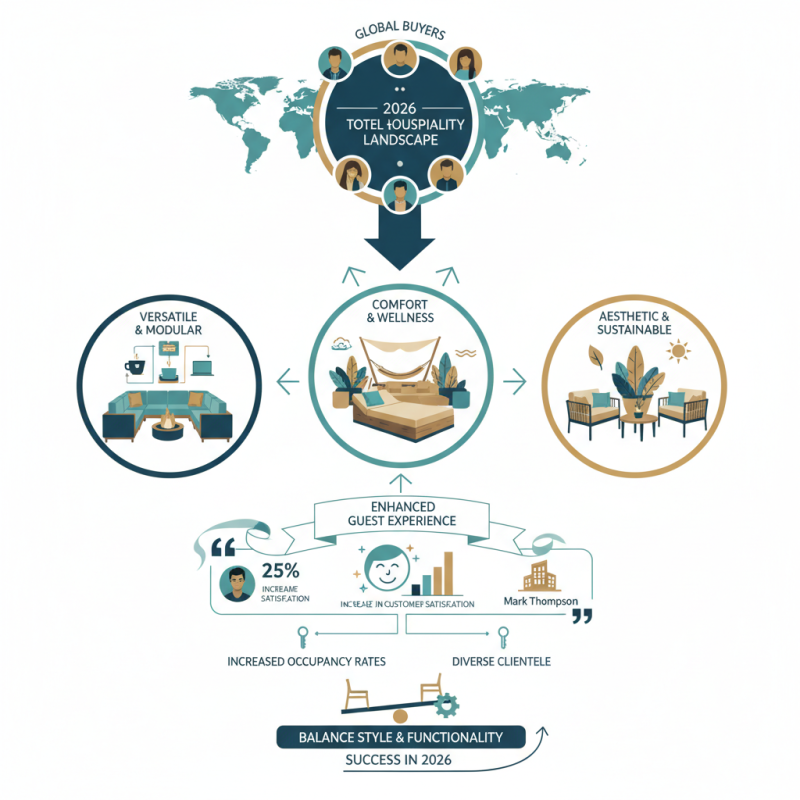
As global buyers navigate the evolving landscape of hospitality, 2026 presents exciting opportunities in the realm of Hotel Outdoor Seating. According to recent industry reports, outdoor seating options can significantly enhance guest experiences and increase occupancy rates. Notably, a study by the Hospitality Research Institute highlights that establishments with robust outdoor seating saw an average 25% increase in customer satisfaction.
Expert insight from Mark Thompson, a leading authority in hospitality design, underscores the importance of this trend. He asserts, “The right outdoor seating can transform a hotel's ambiance and attract diverse clientele.” This statement reflects the growing recognition of outdoor spaces as essential extensions of a hotel's offering.
The demand for versatile, comfortable, and aesthetically pleasing outdoor seating continues to rise. Yet, many hotels struggle to balance style with functionality. This highlights a crucial area for reflection: how can hotels adapt their outdoor environments to meet guests' evolving preferences while ensuring practicality? Addressing this question will be vital for success in 2026.
Overview of Outdoor Seating Trends in Hotels for 2026
As hotels look forward to 2026, outdoor seating options are becoming more essential. Reports show that 65% of travelers prioritize outdoor dining experiences. Spacious terraces and vibrant gardens are appealing to various demographics. This trend emphasizes the need for versatile seating arrangements to cater to families, couples, and solo travelers.
Innovative designs are on the rise. Patrons are drawn to natural materials and sustainable practices. A study indicated that nearly 70% of guests prefer eco-friendly furnishings. More hotels are opting for modular seating. This style allows for reconfiguration based on guest needs. However, the challenge remains in balancing aesthetics with comfort.
Outdoor spaces must also address changing weather conditions. Providing shade and shelter is crucial in enhancing guest experience. With reports indicating an increase in extreme weather, hotels need reliable solutions. While many have embraced the concept of outdoor lounges, some still struggle with maintenance. Finding durable materials that withstand the elements is an ongoing issue. These considerations are vital for creating inviting, lasting outdoor environments.
Key Design Considerations for Hotel Outdoor Seating Areas
Creating inviting outdoor seating areas for hotels is essential for enhancing guest experiences. Recent reports indicate that 63% of travelers prefer accommodations with appealing outdoor spaces. Effective design can attract not just guests, but also local customers seeking unique dining experiences. Therefore, understanding key design considerations is crucial.
One major aspect is the integration of comfort and aesthetics. Comfortable furniture made from durable materials is vital. Weather-resistant options help maintain a fresh look throughout the seasons. Additionally, incorporating greenery and natural elements enhances the ambiance, creating a serene atmosphere. Data suggests that hotels with well-designed outdoor areas see a 20% increase in return visits.
Lighting also plays a significant role. Thoughtfully placed lighting can extend usability into the evening. Ambient lighting creates a cozy feel, while accent lights highlight beautiful features. However, poorly designed lighting can lead to dissatisfaction. Many guests prefer well-lit areas for safety, yet soft lighting is necessary for relaxation. Striking the right balance remains a challenge, requiring continual refinement based on guest feedback.
Popular Materials Used in Hotel Outdoor Seating Solutions
When considering outdoor seating options for hotels, materials play a crucial role. Durable and weather-resistant materials are essential for longevity. Teak wood is a popular choice, known for its natural resistance to moisture and decay. It offers an elegant aesthetic, perfect for enhancing outdoor spaces. Metal frames, like aluminum, are lightweight and rust-resistant, making them ideal for various weather conditions.
Textiles are equally important. Fabrics like solution-dyed acrylic withstand UV rays, reducing fading over time. Outdoor cushions should be quick-drying to maintain comfort. However, balance in design and functionality can be challenging. While one may prefer trendy looks, the practical aspects should not be overlooked. Maintenance can become an issue if materials wear out too quickly.
Plastic materials, such as high-density polyethylene, are gaining traction. They are lightweight, easy to clean, and often made from recycled sources. However, the environmental impact of production should be considered. Sustainability is increasingly important, and choosing eco-friendly options can set a hotel apart. In essence, selecting the right materials requires careful consideration of aesthetics, durability, and sustainability.
Top Global Destinations Featuring Innovative Outdoor Seating
As outdoor dining becomes increasingly popular, hotels worldwide are enhancing their seating options. A recent industry report shows that over 70% of travelers prioritize outdoor spaces in their accommodation choices. Innovative seating can create inviting ambiances and cater to various guest preferences.
Many global destinations are experimenting with unique designs. For instance, eco-friendly materials are gaining traction as sustainability remains a focus in hospitality. In regions like the Mediterranean, woven natural fibers blend comfort with aesthetics. In contrast, urban settings experiment with modular seating to adapt to changing crowds.
However, challenges remain. Limited space in high-density areas can restrict creativity. Additionally, climate variability impacts the types of outdoor seating that are feasible year-round. Hoteliers must balance design, comfort, and practicality. Collectively, these factors will shape the future of outdoor seating in the hospitality industry, reflecting a blend of adaptation and innovation.
Sustainability Practices in Outdoor Seating Arrangements for Hotels
In 2026, outdoor seating arrangements in hotels embrace sustainability with innovative designs. Eco-friendly materials are now in vogue. Many hotels opt for recycled plastics and sustainably sourced wood. These choices help reduce their environmental footprint, creating a greener experience for guests.
Plants play a crucial role in outdoor spaces. Hotels integrate greenery into seating areas. This biophilic approach enhances aesthetics and improves air quality. Guests enjoy a fresh atmosphere, making their stay more pleasant. However, challenges remain. Not all hotels can maintain these installations year-round. Seasonal changes can affect the health of the plants.
Energy-efficient lighting is another sustainable aspect. LED lights illuminate outdoor areas while using less energy. Many hotels are exploring solar-powered options. These investments reduce costs and support clean energy. Yet, reliance on technology can pose challenges. Technical issues or lack of maintenance might hinder effectiveness. The journey toward sustainable outdoor seating is ongoing, with room for improvement.