10 Best Banner Stands for Trade Shows and Events
Choosing the right display can shape how visitors notice, remember, and approach your booth. Banner Stands offer a practical way to present branding without filling valuable floor space. Yet the best option depends on your venue, budget, transport needs, and setup experience.
This guide reviews 10 best Banner Stands for trade shows and events. It considers print quality, frame stability, portability, assembly time, and long-term value. A stand that looks impressive online may feel awkward beside a crowded aisle. Some models pack neatly into a small carry case, while others need more room and careful handling. Small details matter, such as readable graphics from several meters away, secure feet on uneven floors, and smooth cassette mechanisms.
We also consider how each stand performs during real event conditions. Bright exhibition lighting can expose weak color contrast. Frequent travel can reveal fragile hinges. These issues are easy to overlook.
There is no perfect choice.
A premium model may exceed a small company’s budget. A cheaper stand may work well for occasional indoor events but disappoint during repeated transport. Our recommendations balance professional appearance with practical reliability, using clear criteria rather than marketing claims alone. We also acknowledge the less convenient points, because honest comparisons help buyers avoid costly surprises. Whether you need one compact display or a coordinated booth system, this selection aims to make your decision clearer and more confident.
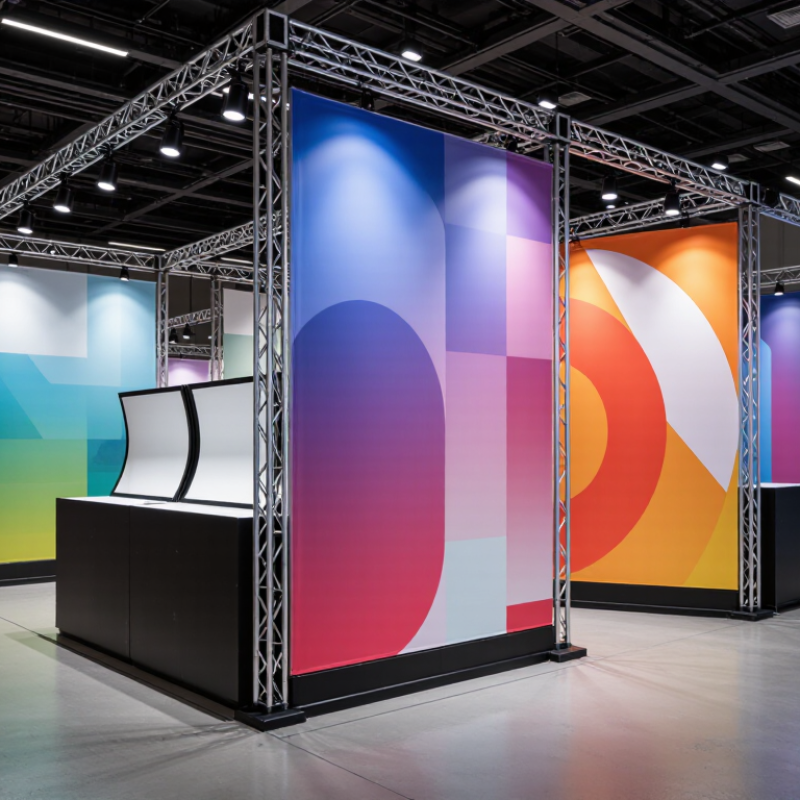
Banner Stand Basics for Trade Shows and Events
Banner Stand Basics for Trade Shows and Events
A banner stand is more than a printed backdrop. It creates a clear visual boundary around your booth and helps visitors recognize your message quickly. Choose a size that fits your floor space, table placement, and expected traffic. A narrow stand suits crowded aisles, while a wider display can support product images and short service details. Keep the main message near eye level. Visitors often decide within seconds whether to stop.
Tips: Use large lettering, strong contrast, and one clear call to action. Test the banner from several distances before the event. Check the base, pole, and graphic connection before packing.
Material quality also affects the visitor experience. A stable base prevents distracting movement when people walk nearby. Smooth graphics look more professional under bright exhibition lighting. Fabric can reduce glare, but it may show wrinkles if packed carelessly. I once focused too heavily on appearance and overlooked setup time. That mistake made the booth feel rushed. A practical stand should open without complicated tools and fit safely into its carrying case.
Review the venue rules before ordering. Ceiling height, fire exits, booth limits, and lighting conditions can change the best choice. Pack a small repair kit, including cleaning cloths and spare fasteners. These details seem minor. They rarely feel minor during a busy event. A banner stand should support conversation, not compete with it. Keep supporting text brief, readable, and relevant to the audience standing in front of you.
10 Best Banner Stands for Trade Shows and Events: Common Banner Widths
Banner stands are commonly available in widths ranging from compact tabletop formats to larger backwall displays. The chart shows typical banner widths used for trade shows and events, helping exhibitors compare portability, visibility, and floor-space requirements.
Key Factors for Comparing Banner Stand Options
When comparing banner stands for trade shows, start with the venue, not the graphic. CEIR research reports that 81% of trade show visitors influence buying decisions, so visibility and reliability matter. A stand should remain readable from several metres away, even under uneven hall lighting. Check the visible width, graphic height, base depth, and packed length. A lightweight model may save transport costs, but a narrow base can wobble near busy aisles.
Compare setup time honestly. I once selected a compact stand that looked efficient online. Its spring mechanism was awkward, and the graphic curled after repeated use. That mistake changed my checklist. Test the frame with one person, inspect the locking points, and ask whether replacement graphics are available. Fabric systems usually reduce glare and pack smaller, while printed film can deliver sharper blocks of colour. Neither option is perfect. Material quality, edge finishing, and storage conditions often matter more than the advertised format.
The 2023 EventTrack report found that 91% of consumers value live experiences, placing pressure on exhibitors to create clear, physical touchpoints. Compare total cost over several events, including printing, shipping, lighting, and damaged parts. UFI’s Global Exhibition Barometer also tracks visitor numbers, exhibitor participation, and exhibition space as key performance indicators. A practical test is simple: assemble the stand beside a doorway, photograph it from five metres away, and check whether the message survives movement, glare, and visual clutter.
Best Retractable Banner Stands for Portable Displays
Retractable banner stands are practical for trade shows, conferences, and temporary displays. The graphic rolls into a protective cassette, making transport easier and setup faster. A stable aluminum base, smooth spring mechanism, and weighted feet matter more than decorative details. I have found that a stand assembled in under two minutes reduces stress during busy event mornings.
Choose the width according to your booth space. A narrow stand suits crowded aisles, while a wider model creates stronger visual impact from a distance. Check the pole height and graphic dimensions before ordering. A mismatch can cause curling, sagging, or exposed hardware. Opaque, wrinkle-resistant material usually looks cleaner under bright exhibition lights. Matte surfaces can also reduce glare during photography.
Durability deserves close attention. Test the cassette several times before traveling, and inspect the locking pin for looseness. A padded carry case protects the edges, though some cases are surprisingly thin. I once trusted a light stand on an uneven floor, and it leaned throughout the presentation. That shortcut backfired. Adjustable feet or a broader base would have helped. Keep the banner dry, roll it slowly, and avoid forcing the mechanism when resistance appears. A replacement graphic can be useful, but frequent changes may wear the internal spring faster.
How to Choose the Right Banner Stand for Your Event
Choosing a banner stand starts with the event space, not the product list. Measure the booth width, ceiling height, and walking clearance before selecting a display. A narrow booth may suit a compact retractable stand, while a larger exhibit can support a wider, double-sided design. Keep entrances and neighboring displays visible.
Think about your event conditions.
For indoor conferences, a lightweight stand can save time during setup and transport. For outdoor events, choose a sturdy base that handles wind and uneven ground. Check the stand’s frame, connectors, and replacement parts. A low price may become expensive after one damaged component. I once chose a portable model without checking its packed size. It fit the booth perfectly, but it was awkward on the train. That mistake still influences my planning.
Print quality deserves equal attention. Use clear text, strong contrast, and a message readable from several meters away. Avoid filling every inch with information. Request a proof before production, and inspect color accuracy under the venue’s lighting. Some materials reflect overhead lights more than expected. Also confirm setup time, storage needs, and cleaning instructions with the event organizer. A stand that looks impressive online may feel unstable in daily use. Test the locking mechanism and base before opening the package at the venue.