
What Is the Best Type of Bedroom Settee in 2026?
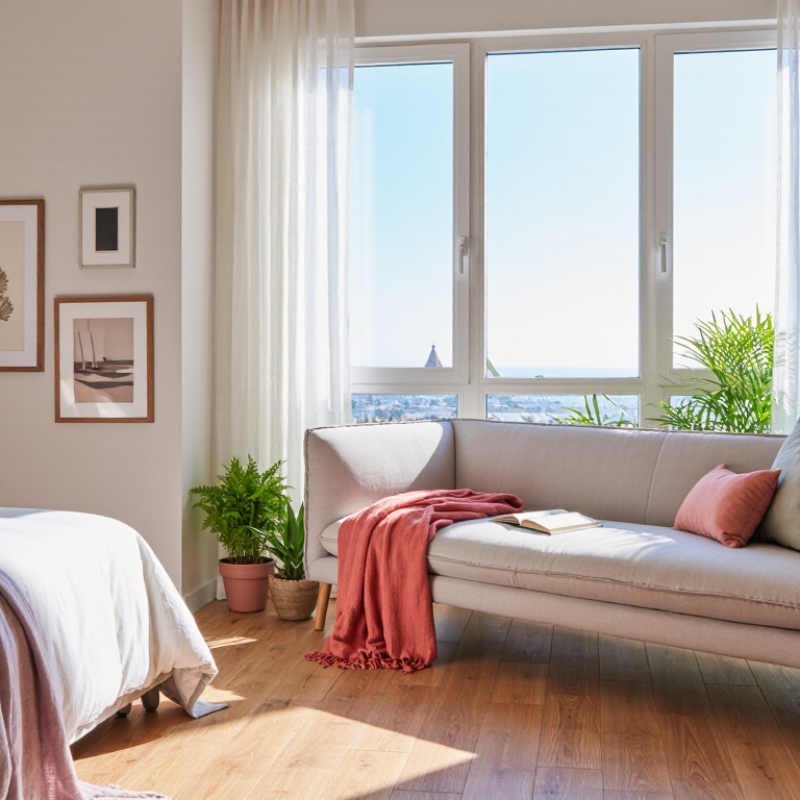
Choosing the best bedroom settee in 2026 is less about chasing a trend and more about matching the piece to your room. William Morris, the influential designer, offered a useful test for furniture: “Have nothing in your houses that you do not know to be useful, or believe to be beautiful.” That principle fits a settee well. It should earn its place, whether it provides a seat for dressing, a spot to set down a book, or a quiet accent beneath a window.
Start with the measurements. Leave enough space to walk around the settee, and check its depth against the room’s scale. A compact upholstered bench may suit a narrow bedroom, while a small settee with a back can feel more supportive beside a reading lamp. Consider fabric, too. A tightly woven, easy-care textile can be practical in a busy home; velvet offers softness, but may show wear or lint more clearly. Look closely at the frame, joints, and cushion support.
There is no single best bedroom settee for everyone. Not even close. The right choice balances comfort, construction, and available space with the bedroom’s existing style. Trends can help you compare silhouettes, but they cannot tell you whether a seat feels comfortable after ten minutes. And a beautiful settee can still become a laundry perch. This guide explores the main types, their strengths, and the details worth checking before you choose.
What a Bedroom Settee Is and How It Differs from Other Seating
What Is the Best Type of Bedroom Settee in 2026?
What a Bedroom Settee Is and How It Differs from Other Seating
A bedroom settee is a compact upholstered seat, usually designed for two people or one person to stretch out. It may have a back and arms, unlike a simple bedroom bench, which is often narrow and backless. A settee offers more support for reading or getting dressed. That distinction matters. It is generally smaller and more formal than a living-room sofa, but roomier than a single accent chair. Some settees have firm seats; others feel softer. Check the dimensions and seat depth, not just the overall width.
A bench works well at the foot of a bed, but it may not feel comfortable for a long conversation. A settee suits a corner, a wide window, or a dressing area where you want proper back support. An armchair takes up less shared seating space, while a loveseat may feel bulky in a small bedroom. Measure the walking path, too. A lovely seat can still make a room awkward.
Tips: Sit on the settee if possible, and notice whether your feet rest comfortably on the floor. Check the fabric against sunlight, pets, and everyday use. Leave enough space to open drawers or walk past the bed. Small detail, big difference. A settee can also become a place for laundry, so choose a size you can keep clear.
What Is the Best Type of Bedroom Settee in 2026? — What a Bedroom Settee Is and How It Differs from Other Seating
| Seating type | Typical size or capacity | Usual design | How it differs from a bedroom settee | Best bedroom use |
|---|---|---|---|---|
| Bedroom settee | Usually seats two; commonly about 48–72 in (122–183 cm) wide. Dimensions vary by design. | An upholstered, sofa-like seat with a back; arms may be included or omitted. | A compact sofa intended for relaxed sitting, often placed in a bedroom rather than a main living area. | A seating area at the foot of the bed, beside a window, or in a spacious bedroom corner. |
| Loveseat | Usually seats two; commonly about 48–72 in (122–183 cm) wide. | A small upholstered sofa, generally designed as part of living-room seating. | Often very similar in size and form; “settee” and “loveseat” can overlap, while intended placement and styling may differ. | A bedroom that has enough floor space for a conventional small sofa. |
| Upholstered bench | Often seats one or two; widths commonly range from about 36–60 in (91–152 cm). | A long seat, usually without a back and sometimes without arms. | Generally offers less back support and a more upright, short-stay seat than a settee. | Putting on shoes or setting down clothing at the foot of the bed. |
| Chaise longue | Usually one person; often about 60–75 in (152–191 cm) long. | An elongated lounge seat with a back or raised end that supports reclining. | Designed primarily for stretching out, rather than sitting side by side like a settee. | Reading or lounging where the room has enough length and clear floor space. |
| Accent chair | One person; many styles are about 28–40 in (71–102 cm) wide. | A single-seat chair, typically with a back and sometimes arms. | Occupies less width and seats one person rather than providing a shared sofa-like seat. | A compact reading spot or a single chair near a dressing table or window. |
| Daybed | Usually one person lying down; many use a mattress around 75 in (191 cm) long, though formats vary. | A bed-sized platform that can function as a sofa, often with a back and sides. | Takes more space and is designed to support sleeping or lying down, not just everyday sitting. | A guest room or large bedroom where an additional sleep surface is useful. |
Note: Size ranges are approximate examples, not fixed standards. Check the product’s overall dimensions, seat depth, and room clearances before choosing; furniture terms and designs can overlap.
Related Posts
-

10 Best Bedroom Settee Trends Transforming Global Procurement in 2023
-

Transform Your Home with Innovative Living Table Sets Supported by Market Trends and Design Insights
-
Elevate Your Space with Exquisite Quality Living Room Tables Crafted in China for Global Excellence
-

How to Identify Premium Suppliers for the Best Home Furnishings in a Competitive Global Market
-

How to Choose the Perfect Table Set for Your Hospitality Business Needs
-
Exploring the Characteristics and Applications of Best Large Living Room Tables for Global Buyers