What is the Best Dining Room Table Size for Your Space
When it comes to furnishing your home, choosing the right dining room table size is crucial for creating a comfortable and functional space. According to a 2022 report from the National Home Furnishings Association, nearly 70% of homeowners consider the dining room the heart of their home, making it essential to select a dining room table that not only fits the available space but also accommodates the needs of family and guests. As expert interior designer Sarah Thompson states, "The dining room table serves as a gathering point; its size must reflect both the scale of the room and the lifestyle of the people who use it."
Understanding the dynamics of your dining area is key to enhancing its functionality. For instance, a standard dining room table height typically ranges from 28 to 30 inches, while table widths vary between 36 to 48 inches depending on the seating arrangement. Open spaces have seen a trend toward larger, rectangular tables that allow for more extensive gatherings, while smaller, round tables are ideal for compact areas. Assessing the proper size not only influences the room's aesthetic but also affects how many people can comfortably dine together, a point underscored by a survey conducted by the Furniture Today Research, which highlights that an adequately sized dining room table can improve social interactions by up to 40%.
Ultimately, selecting the right dining room table size involves a thoughtful consideration of space, function, and individual preferences, all of which contribute to a harmonious and inviting dining experience.
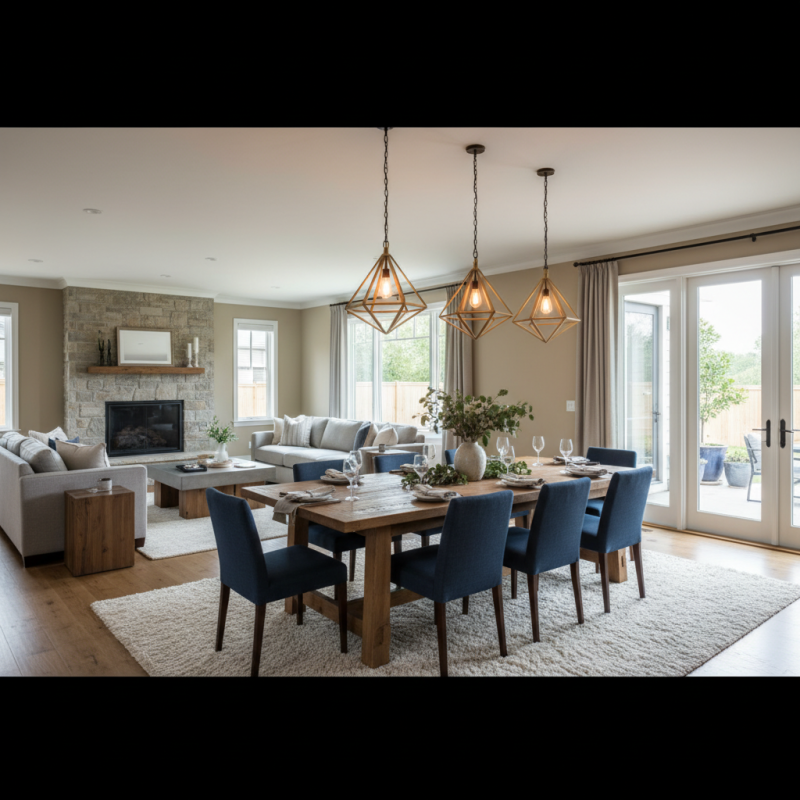
Understanding Dining Room Space: Key Measurements and Considerations
When selecting the ideal dining room table size, understanding your space's measurements and layout is crucial. Start by measuring the dimensions of your dining area, including the length and width of the room. This baseline allows you to identify the possible sizes for your dining table. A general guideline is to leave at least 36 to 48 inches of clearance around the table to allow for comfortable movement and seating. This spacing is vital to prevent overcrowding and ensure that guests can easily pull out their chairs and walk around the table.
Additionally, consider the shape of the room and existing furniture when choosing a table size. In longer, narrower spaces, an elongated table can complement the room’s layout, while a round or square table might work better in square-shaped rooms. It's also important to account for how many people you typically entertain; a standard dining table accommodates 4 to 6 people, while larger tables can seat up to 12 or more. Having these key measurements and considerations in mind will guide you in selecting the perfect dining room table that fits both your space and lifestyle.
Determining the Right Size for Your Dining Table Based on Room Dimensions
When selecting the right size for your dining table, it's crucial to consider the dimensions of your dining room to ensure a harmonious fit. Start by measuring the space where the table will be placed, taking note of any architectural features such as windows, doorways, or radiators that might affect the layout. A general guideline is to leave at least 36 inches of clearance around the table to allow for comfortable movement and seating. This spacing ensures that chairs can be pulled out easily without hindrance.
The size of the table also depends on how many people you plan to accommodate regularly. For a more intimate setting, a round table can be a great option, typically ranging from 36 to 60 inches in diameter. Rectangular tables, on the other hand, are ideal for larger gatherings, with sizes starting at 60 inches to fit six people comfortably. Ultimately, the right dining table size enhances the functionality of your dining room while complementing its overall aesthetics. Remember to visualize the arrangement before making a final decision, as this can greatly impact your dining experience.
Types of Dining Tables and Their Suitable Sizes for Different Spaces
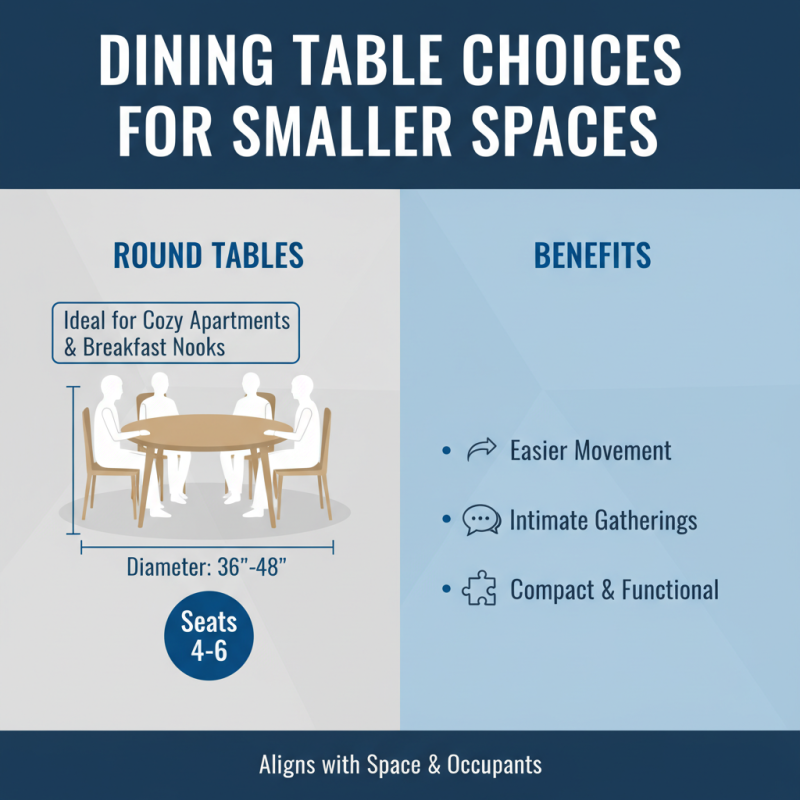
When choosing a dining table, size and shape should align with the dimensions of your dining space and the number of occupants. For smaller spaces, such as a cozy apartment or a breakfast nook, a round table often works best. A round table typically allows for easier movement and can comfortably seat four to six people, making it ideal for intimate gatherings. With a diameter of 36 to 48 inches, it provides a compact yet functional solution that can fit snugly in tighter areas.
In contrast, larger dining rooms can accommodate rectangular or oval tables, which tend to have more formal vibes and can host larger groups. A rectangular table measuring 72 to 96 inches can seat six to eight people, while an oval table of similar length serves the same purpose but often softens the room's lines. This style encourages conversation across the table, creating a more connected dining experience. It's crucial to ensure that there’s sufficient space around the table for chairs and movement—ideally, allowing at least 36 inches of clearance around the table to prevent a cramped feel and to facilitate comfortable dining.
Considerations for Table Shape and Its Impact on Space Utilization
When considering the ideal size for a dining room table, one must take into account not only the dimensions of the table itself but also its shape and how it affects space utilization. According to a recent industry report from the National Kitchen and Bath Association, round tables are increasingly popular in family homes due to their ability to promote conversation and connection. A round table with a diameter of 60 inches can comfortably seat six people, allowing for a more intimate dining experience. This shape tends to take up less visual space, making it a conducive choice for smaller rooms or open-concept areas.
On the other hand, rectangular tables offer a different set of benefits, particularly in terms of space efficiency. A standard rectangular table measuring 72 inches by 36 inches can seat eight people when extending to the edges. This design is ideal for larger gatherings and can often be placed against a wall or in a corner when not in use, maximizing floor space. The layout allows for easy movement around the table, which is crucial for high-traffic dining areas. Research by the American Society of Interior Designers indicates that the layout of a dining space can significantly influence its functionality and flow, making table shape a critical component of any dining area design. Ultimately, understanding how table shape interacts with the surrounding space can help homeowners make informed decisions that enhance both utility and aesthetic appeal.
Dining Room Table Sizes and Space Utilization
Accommodating Seating Needs: How Many People Will the Table Host?
When selecting the ideal dining room table size, one of the pivotal considerations is how many people the table needs to accommodate. According to the National Kitchen and Bath Association (NKBA), a standard guideline suggests that dining space should allow for 24 inches of table width per person. This spacing ensures comfortable dining—allowing ample room for dishes, elbow space, and overall ease of movement. For instance, a table that is 60 inches long can comfortably seat six individuals, while extending the length to 72 inches allows room for up to eight.
Moreover, it's important to factor in the overall layout of your dining space. The American Institute of Architects (AIA) recommends maintaining a distance of at least 36 inches between the table and walls or furniture, which not only facilitates traffic flow but also allows guests to pull out chairs without difficulty. As a result, if you're working with a smaller dining area but still want to host gatherings, opting for a round table can maximize seating capacity while creating an inviting atmosphere. A 48-inch round table comfortably fits six, while also making it easier for everyone to engage in conversation, emphasizing the significance of choosing the right size based on how you plan to use the space.
What is the Best Dining Room Table Size for Your Space - Accommodating Seating Needs
| Table Size |
Dimensions (inches) |
Seating Capacity |
Ideal Room Size (sq ft) |
| Small Round Table |
30-36 |
2-4 |
70-100 |
| Medium Rectangle Table |
60-72 |
6-8 |
100-150 |
| Large Oval Table |
72-84 |
8-10 |
150-200 |
| Extra Large Square Table |
84-96 |
10-12 |
200+ |