What is a Capsule Tiny House and Why is it So Popular?
The Capsule Tiny House has captured the imagination of many, becoming a symbol of minimalist living. Its compact and efficient design offers a practical solution to modern housing challenges. In an age where space is often limited, these homes provide a creative way to maximize utility while minimizing environmental impact.
What draws people to the Capsule Tiny House is not just its size, but its aesthetic appeal and functionality. Many find the idea of living in a small, fully-equipped space both freeing and inspiring. However, this lifestyle isn’t without challenges. The limited space can feel cramped, and organizing belongings requires thoughtful planning. Those drawn to this trend must consider both the benefits and the limitations of such a lifestyle.
As we explore the rise in popularity of Capsule Tiny Houses, we’ll delve into what makes these homes so appealing and the lifestyle choices behind them. The journey into this unique living concept encourages reflection on how we really want to live in today’s world.
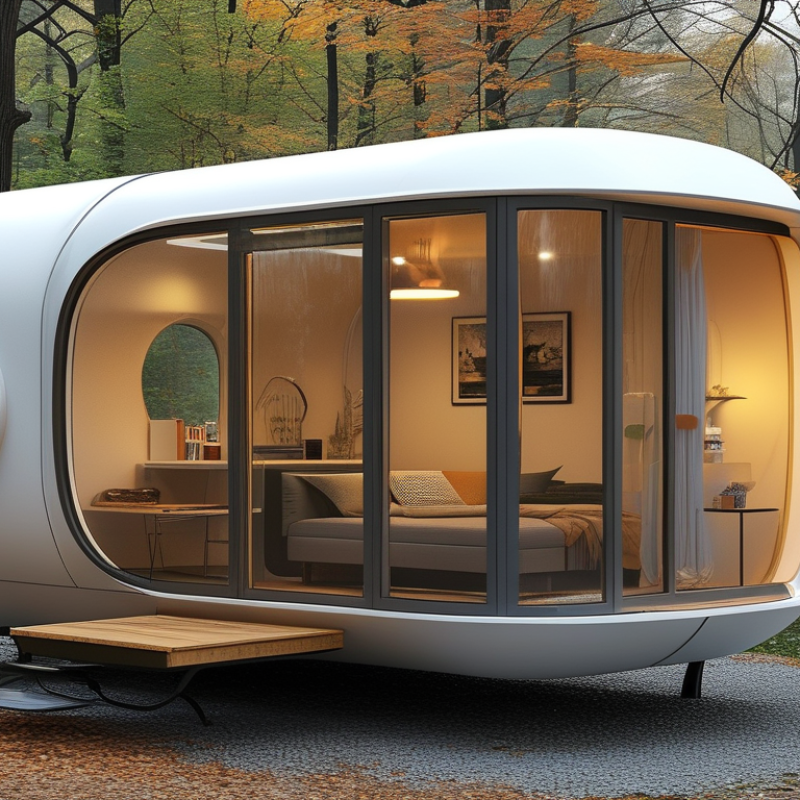
What is a Capsule Tiny House?
A Capsule Tiny House is a compact, efficient living space designed for minimalism. These homes often emphasize innovation and functionality. They utilize clever design to maximize space while maintaining comfort. A typical capsule house features a sleeping area, a small kitchen, and a bathroom—all within a few square meters.
The appeal of Capsule Tiny Houses lies in their simplicity. Many people are drawn to the idea of downsizing their lives. This trend encourages a more sustainable lifestyle. Capsule homes can be placed in urban areas or rural settings. They allow for flexible living arrangements. However, living in such limited space can pose challenges. People might feel cramped or lack privacy.
Finding the right balance between space and comfort is crucial. Capsule houses often incorporate multi-functional furniture and smart storage solutions. These details are vital for maximizing limited areas. Yet, individuals must also confront their possessions and lifestyle choices. Minimalism requires reflection and sometimes a willingness to let go of unnecessary items. Balancing comfort with practicality is an ongoing journey for many.
Key Features of Capsule Tiny Houses
Capsule tiny houses are gaining traction for their innovative design and simplicity. These compact dwellings typically measure around 100 to 400 square feet. They feature efficient layouts that maximize space, including multi-functional furniture and clever storage solutions. Many designs incorporate large windows, allowing natural light to flood in, creating a more open feel.
One striking aspect of capsule tiny houses is their sustainable construction. Often built with eco-friendly materials, these homes minimize environmental impact. They often come with energy-efficient appliances and may even include solar panels for eco-conscious living. However, not everyone finds the tiny living experience easy. Limited space can lead to a feeling of confinement, and it requires serious downsizing.
The aesthetic appeal of capsule tiny houses cannot be ignored. Their sleek, modern designs attract many young homeowners. Yet, this minimalist lifestyle prompts reflection. It challenges conventional notions of home and comfort. Individuals must assess their priorities and what they truly need for everyday life.
The Popularity Surge of Capsule Tiny Houses
The rising trend of capsule tiny houses reflects a fundamental change in living preferences. Many urban dwellers are drawn to these compact spaces. Reports indicate that only 35% of people now prefer traditional single-family homes. This shift highlights a growing excitement for minimalism and sustainable living.
Capsule tiny houses offer unique advantages. They often feature multifunctional furniture and efficient layouts. Surprisingly, owners report saving over 50% on utility bills compared to larger homes. These smart designs maximize space while maintaining comfort. However, some individuals find it challenging to adjust to such limited space. This can lead to feelings of confinement. Flexibility and adaptability remain key for a successful tiny living experience.
In 2022, tiny house sales surged by 19%. This marks a significant shift in residential choices. The appeal lies in affordability, eco-friendliness, and mobility. Meanwhile, not everyone finds this lifestyle ideal. While some thrive in smaller spaces, others struggle with the downsizing process. Embracing such changes requires a dedication to simplicity and sustainable practices.
Benefits of Living in a Capsule Tiny House
Capsule tiny houses are gaining traction due to their unique and minimalist appeal. Estimates show that the tiny house market will grow to approximately $5.8 billion by 2026. These compact living spaces, often under 400 square feet, are designed for efficiency and functionality. They appeal to people looking to downsize, reduce costs, and embrace a simpler lifestyle.
Living in a capsule tiny house offers various benefits, including lower living expenses. Reports suggest that tiny homeowners save an average of 45% on monthly housing costs. Additionally, these houses promote a sustainable lifestyle. Many designs utilize eco-friendly materials and energy-efficient systems, contributing to a reduced carbon footprint. However, the transition to tiny living often brings challenges. Some individuals struggle to adapt to limited space and may feel cramped.
Moreover, capsule tiny houses can foster a sense of community. Many owners congregate in tiny home villages that support shared experiences and resources. This community aspect can be invaluable for social connections. Yet, it’s important to consider zoning regulations and land availability, which may pose hurdles for prospective tiny homeowners. Each person's journey to tiny living is unique and requires careful thought.
What is a Capsule Tiny House and Why is it So Popular? - Benefits of Living in a Capsule Tiny House
| Feature | Description |
| Space Efficiency | Capsule tiny houses maximize living space with innovative designs. |
| Affordability | Lower construction and maintenance costs compared to traditional homes. |
| Sustainability | Often built with eco-friendly materials and energy-efficient systems. |
| Mobility | Some models are portable, allowing for travel and flexible living arrangements. |
| Minimalism | Encourages a simpler lifestyle by reducing clutter and promoting intentional living. |
| Community | Many capsule tiny house communities foster a sense of belonging among residents. |
Challenges and Considerations of Capsule Tiny Houses
Capsule tiny houses offer a minimalist living solution but come with unique challenges. One key issue is space management. The average size of a capsule tiny house is around 100 to 200 square feet. This limited area forces residents to prioritize essentials. Many occupants find storage to be a significant concern.
Another challenge is zoning regulations. Numerous areas have strict rules regarding tiny homes. A 2022 report highlighted that nearly 29% of tiny house owners faced legal hurdles. These issues can delay projects or eliminate options entirely. Moreover, potential buyers often overlook these regulations before purchasing.
Cost is also essential to consider. While capsule houses can be less expensive than traditional homes, prices can quickly escalate. Factors such as location, materials, and customization play a crucial role. In a 2021 survey, 34% of respondents reported budget overruns during construction. This is a stark reminder that budgeting is critical in tiny living.
Challenges and Considerations of Capsule Tiny Houses