
China Best Plastic Cosmetic Bottles Manufacturer?
Choosing the China Best Plastic Cosmetic Bottles Manufacturer? This decision requires more than comparing factory prices. It requires evidence, testing, and practical packaging experience.
Grand View Research estimated the global cosmetic packaging market at approximately USD 32 billion in 2023. Its report also projects steady growth through 2030, supported by skincare, personal care, and premium beauty products. Plastic Cosmetic Bottles remain popular because they are lightweight, shatter-resistant, and adaptable to pumps, sprays, and airless systems. Euromonitor International has also reported continued demand for convenient and portable beauty packaging. However, convenience alone does not prove quality.
A reliable Chinese supplier should demonstrate resin traceability, mold capability, filling compatibility, and documented quality controls. Ask for samples before approving a large order. Test the bottle with your actual formula, especially essential oils, alcohol, acids, and active ingredients. A bottle that looks perfect may still leak after repeated pumping. That detail matters. ISO 9001 certification can support process consistency, but certification does not replace independent inspection. Suppliers should also explain recycled-content options, PCR percentages, color stability, and recyclability claims. The Ellen MacArthur Foundation continues to emphasize packaging design for circularity, reminding buyers that material choices affect recovery systems. Reports differ in market forecasts, and some supplier claims remain difficult to verify. That is an important limitation. The best manufacturer is therefore not simply the cheapest factory. It is the partner that provides transparent data, stable production, responsive communication, and measurable performance from prototype to shipment.
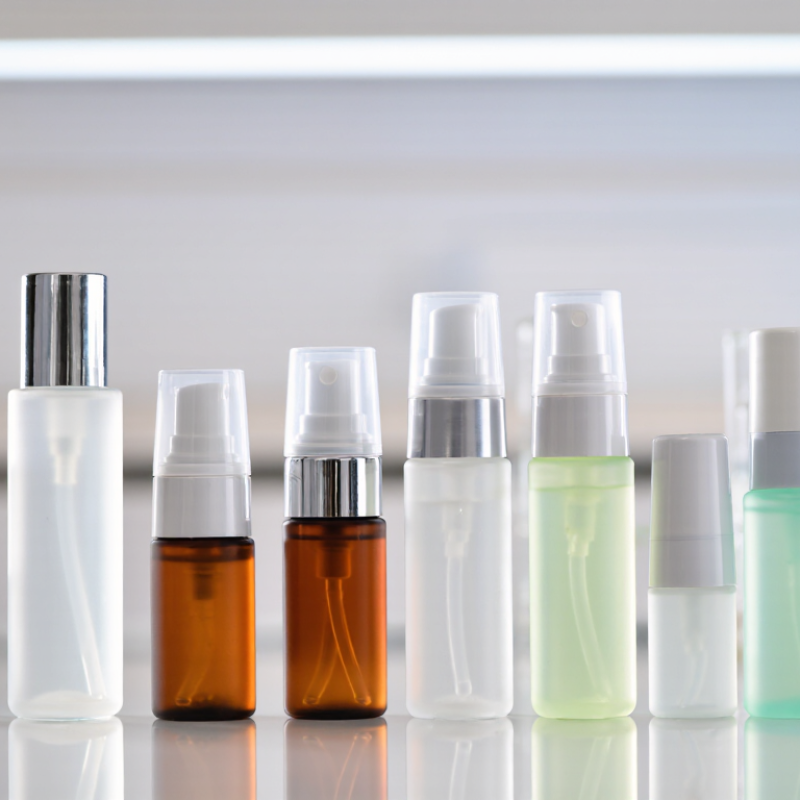
What Defines a Leading Plastic Cosmetic Bottle Manufacturer in China?
China Best Plastic Cosmetic Bottles Manufacturer?
What Defines a Leading Plastic Cosmetic Bottle Manufacturer in China?
A leading manufacturer combines practical experience with controlled production. The factory should understand how oils, creams, and liquid formulas behave inside plastic packaging. Material selection matters. PET may offer clarity, while HDPE can provide stronger chemical resistance. Experienced engineers also review wall thickness, neck dimensions, closure fit, and filling-line compatibility before mass production begins.
Quality should be visible in daily procedures, not only in a certificate. Reliable factories inspect incoming resin, monitor molding temperatures, and test finished bottles for leakage, drop resistance, torque, and weight consistency. Clear batch records improve traceability. Samples should receive documented approval before large-scale production. Small details matter here. A loose cap can damage an otherwise attractive package.
Professional communication is equally important. A capable team explains tooling limits, realistic lead times, decoration options, and material trade-offs in plain language. It should provide inspection reports and respond quickly when a problem appears. No factory is flawless. A rushed color approval can still create rework, even with experienced staff. That is why strong manufacturers invite feedback, investigate defects, and adjust processes instead of hiding mistakes. Sustainable choices also require honest review, since recycled content, lightweight designs, and production efficiency may affect appearance or performance.
China Best Plastic Cosmetic Bottles Manufacturer? - What Defines a Leading Plastic Cosmetic Bottle Manufacturer in China?
| Evaluation Dimension | Realistic Benchmark or Requirement | How to Verify It | Why It Defines a Leading Manufacturer |
|---|---|---|---|
| Material Selection | Common cosmetic bottle materials include PET, HDPE and PP. Typical material density is approximately 1.30–1.40 g/cm³ for PET, 0.94–0.97 g/cm³ for HDPE and 0.90–0.91 g/cm³ for PP. | Request the material specification, resin technical data sheet, certificate of analysis and material identification records. | Correct material selection affects chemical compatibility, clarity, stiffness, impact resistance and product shelf life. |
| Material Traceability | Each production lot should be traceable to the resin batch, colorant or masterbatch, molding date, machine and quality inspection records. | Review sample batch records, lot-number rules, incoming inspection procedures and retained-sample controls. | Traceability supports fast root-cause analysis, controlled recalls and consistent quality across repeat orders. |
| Manufacturing Quality System | A documented quality management system should cover incoming materials, process control, final inspection, nonconforming products and corrective actions. ISO 9001 is a widely recognized reference framework. | Check the validity and scope of relevant certifications and review procedures for inspection, calibration, complaints and corrective action. | A structured system reduces variation and makes quality performance measurable rather than dependent on individual operators. |
| Dimensional Accuracy | Critical dimensions such as neck finish, thread profile, bottle height, diameter and pump fit should be controlled against an approved drawing or master sample. | Request dimensional inspection reports using calibrated gauges, calipers, coordinate measuring equipment or suitable thread gauges. | Accurate dimensions help prevent leakage, loose closures, pump incompatibility and filling-line interruptions. |
| Closure Compatibility | The bottle neck, cap, pump, sprayer, liner and dip tube should be tested as a complete packaging system. Common neck specifications include standardized thread or snap-fit designs selected for the application. | Conduct fit checks, torque checks, leak tests and repeated opening-and-closing tests using the actual closure components. | A bottle is only commercially reliable when the full package maintains seal integrity during filling, transport and consumer use. |
| Leak and Seal Performance | Leak-test conditions should be defined by the product, closure and transport environment. Testing may include inverted storage, pressure or vacuum testing and transport simulation. | Request a written test method, sample size, test duration, acceptance criteria and test records for the finished package. | Seal performance protects the formula, prevents contamination and reduces leakage-related returns. |
| Chemical Compatibility | The package should be evaluated with the actual cosmetic formula, including oils, alcohols, acids, fragrances, essential oils and active ingredients where applicable. | Perform formula-in-package compatibility testing for discoloration, swelling, cracking, stress whitening, odor transfer, weight change and leakage. | A plastic that performs well with water-based products may not be suitable for solvent-rich, oil-based or highly fragranced formulations. |
| Appearance and Surface Quality | Approved samples should define acceptable limits for flow marks, weld lines, black spots, bubbles, sink marks, scratches, color variation and flash. | Use a signed golden sample, controlled lighting, visual inspection standards and documented defect classification. | Cosmetic packaging is a visible part of the product experience, so consistent appearance directly influences perceived quality. |
| Decoration and Printing | Decoration options may include screen printing, hot stamping, labeling, offset printing and in-mold decoration. Artwork, color references and position tolerances should be approved before production. | Review color proofs, adhesion tests, rub tests, barcode readability and decorated-sample approval records. | Controlled decoration improves brand presentation and reduces errors in text, color, logo placement and regulatory information. |
| Production Capacity | Capacity should be stated by product type, cavity count, production shift and decoration process rather than as one general factory number. | Request a capacity plan, machine list, production schedule, tooling allocation and recent lead-time performance data. | Transparent capacity planning helps prevent delays during launches, seasonal demand peaks and repeat production. |
| Tooling and Mold Control | The manufacturer should control mold design, mold maintenance, spare parts, cavity identification, trial approval and mold ownership records. | Review mold drawings, trial reports, maintenance logs, cavity balance results and written ownership or custody terms. | Well-maintained tooling supports stable dimensions, consistent weight, lower defect rates and predictable replacement costs. |
| Recycled Content and Recyclability | PET, HDPE and PP are commonly identified by resin identification codes 1, 2 and 5 respectively. Recycled-content claims should specify the percentage, source and calculation method. | Request recycled-content declarations, supplier documentation, chain-of-custody records and relevant local compliance evidence. | Clear material identification and substantiated recycled-content data support sustainability claims and responsible procurement. |
| Regulatory Documentation | Documentation should match the destination market and may include material declarations, restricted-substance statements, packaging specifications and product-safety information. | Confirm whether documents cover the exact material, colorant, coating, decoration and intended cosmetic application. | Complete documentation reduces customs, compliance and retailer-approval risks. |
| Packaging Hygiene and Handling | Finished bottles should be protected from dust, moisture, deformation and contamination during inspection, storage and shipment. Packaging cleanliness requirements should be defined in the purchase specification. | Inspect the production and packing areas, review cleaning procedures and check inner-bag, carton and pallet protection. | Clean handling is essential when bottles are filled with leave-on, rinse-off or sensitive cosmetic products. |
| Quality Inspection and Sampling | Inspection plans should define sample quantity, critical defects, major defects, minor defects and acceptance criteria. Sampling may be based on an agreed AQL plan. | Request inspection checklists, AQL tables, inspection photographs, test records and nonconformity reports. | Clearly defined acceptance criteria prevent disputes and create a consistent basis for supplier evaluation. |
| Lead Time and Delivery Control | A professional supplier should separate tooling lead time, sample lead time, mass-production lead time, decoration lead time and shipping preparation time. | Compare quoted timelines with production schedules, approval milestones, capacity commitments and previous delivery records. | Accurate scheduling helps coordinate formula filling, labels, cartons, marketing launches and inventory planning. |
| Customization Capability | Customization may include bottle shape, capacity, color, surface finish, neck specification, decoration, closure matching and secondary packaging. | Review engineering drawings, prototype samples, mold-trial procedures and the process for approving design changes. | Strong customization capability allows the packaging to match the product formula, filling equipment and market positioning. |
| Cost Transparency | The quotation should identify tooling, bottle, closure, decoration, packaging, sampling, testing, taxes and shipping terms where applicable. | Request a line-item quotation and confirm whether prices change with material grade, color, order quantity or decoration method. | Transparent pricing makes total cost of ownership easier to compare and reduces unexpected charges. |
| After-Sales Support | Support should include complaint response, defect investigation, corrective-action reporting, replacement policy and technical assistance for filling or closure issues. | Ask for the complaint-handling workflow, response target, corrective-action format and escalation contacts. | Reliable after-sales support protects production continuity when quality or compatibility problems occur after delivery. |