How to Choose the Best Gas Cooker Hood for Your Kitchen?
Choosing the right Gas Cooker Hood for your kitchen can be a daunting task. Expert chef and kitchen designer Sarah Thompson emphasizes, “A well-chosen gas cooker hood not only enhances functionality but elevates the kitchen's aesthetic.” This statement underscores the significance of making an informed choice. A gas cooker hood serves as a critical element in maintaining air quality while cooking, offering not only practicality but also style.
When selecting a gas cooker hood, factors like size, power, and design must be considered. Many overlook the hood's power rating, which is essential for effectively removing smoke and odors. Consider the type of cooking you do. If you regularly cook with high heat, you need a more powerful unit. Reflecting on your cooking habits can help guide your decision.
Choosing a gas cooker hood involves personal preferences and kitchen dynamics. The perfect fit may not always be the most expensive option. Sometimes, what seems ideal may not perform well in practice. It's essential to evaluate both function and form critically. Ultimately, the best gas cooker hood enhances your cooking experience while fitting your kitchen's unique style.
Understanding Different Types of Gas Cooker Hoods Available
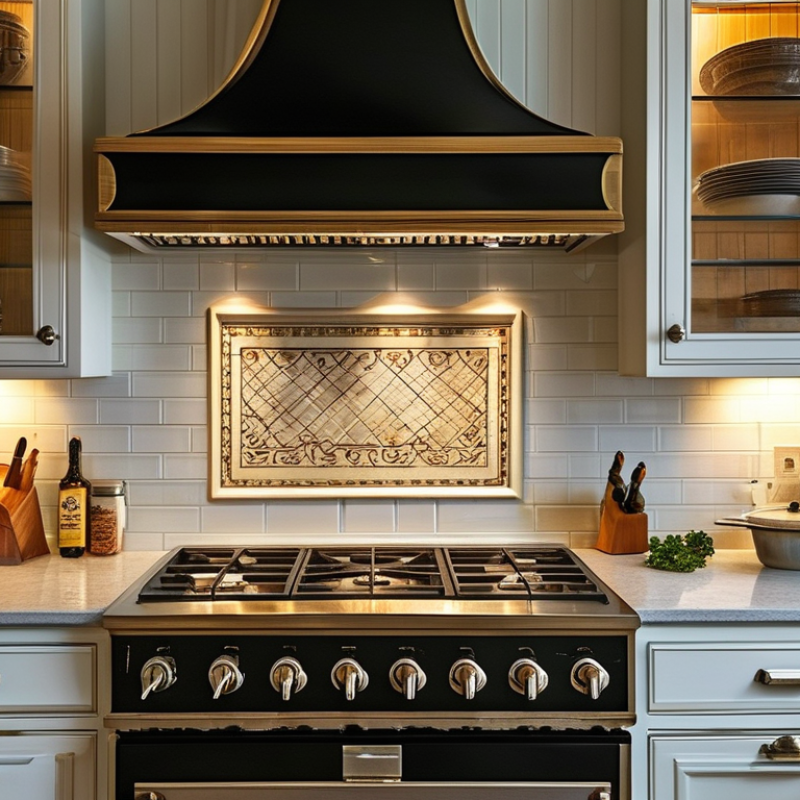
When selecting a gas cooker hood, it's essential to understand the types available. Generally, three main types exist: wall-mounted, under-cabinet, and island hoods. Wall-mounted hoods serve as a focal point above the stove and are common in many kitchens. They usually require more space but effectively capture smoke and odors.
Under-cabinet hoods fit neatly under cabinets, maintaining a cleaner look. According to the Kitchen and Bath Association, these hoods account for about 40% of the market due to their versatility. Meanwhile, island hoods are ideal for central cooking areas, providing a stylish solution. However, they tend to be more expensive and require sufficient ceiling height.
Ventilation capacity also varies by type. Many experts recommend a minimum airflow of 300 CFM for effective ventilation in standard kitchens. Some models may fall short of this, leading to lingering odors and smoke. Energy efficiency is another critical factor. Not all hoods are designed to operate quietly or efficiently. Evaluating these factors will ensure you choose the right hood for your culinary space.
Assessing Kitchen Size and Layout for Optimal Hood Selection
When choosing a gas cooker hood, assessing the kitchen size and layout is crucial. A report by the National Kitchen and Bath Association highlights that ventilation systems should match kitchen dimensions. For example, a typical kitchen of 200 square feet requires a hood with air suction rated at around 300 CFM (Cubic Feet per Minute). This ensures efficient airflow to eliminate smoke and odors.
Ventilation effectiveness declines if the hood is too small or improperly positioned. A large, open-concept kitchen with an island can need more powerful hoods. However, the layout may complicate placement, making it essential to consider where cooking happens most frequently. It is essential to account for ceiling heights, too. Higher ceilings can dilute airflow effectiveness if not factored into the hood's power.
Moreover, placement matters; a hood installed too far from the cooking surface can underperform. The ideal distance should be approximately 24 to 30 inches above the stove. Yet, many homeowners overlook this, leading to less effective ventilation. Ensuring a proper fit for both style and function can be challenging but is key to maximizing your kitchen's performance and comfort.
Key Features to Look for in a Gas Cooker Hood
When choosing a gas cooker hood, key features play a vital role in ensuring a functional and safe kitchen environment. A study from the Institute of Gas Engineering highlights that proper ventilation can reduce indoor air pollutants by up to 70%. This emphasizes the importance of selecting a hood with sufficient extraction power. Look for models with an extraction rate of at least 300 m³/h to efficiently remove smoke and odors.
Noise levels are crucial too. Many homeowners overlook this aspect, yet a hood operating above 60 dB can become a nuisance during cooking. Choose a model that operates quietly; ideally, below 50 dB is optimal for a peaceful cooking experience. Incorporating features like variable fan speeds can further enhance usability, allowing you to adjust based on cooking intensity.
Another essential factor is the ease of maintenance. A hood with a dishwasher-safe grease filter can save time. However, regular cleaning is often neglected, which can lead to reduced efficiency and potential fire hazards. Additionally, consider the hood's design and size. Many kitchens suffer from improperly sized hoods that do not match their cooking area, risking both safety and efficiency. A well-chosen hood not only enhances aesthetics but also maximizes functionality in any kitchen layout.
How to Choose the Best Gas Cooker Hood for Your Kitchen?
This bar chart illustrates the key features to consider when selecting a gas cooker hood for your kitchen, highlighting the importance of suction power, noise level, design, energy efficiency, and ease of installation.
Evaluating Noise Levels and Ventilation Efficiency
When selecting a gas cooker hood, noise levels and ventilation efficiency are crucial factors. A study by the Home Ventilating Institute reveals that the ideal noise level for kitchen ventilation should not exceed 60 decibels. At this level, the hood operates quietly without disrupting conversations. However, many models exceed this range, leading to potential discomfort during cooking sessions.
Ventilation efficiency determines how effectively the hood can remove smoke and odors. According to the American Society of Heating, Refrigerating and Air-Conditioning Engineers (ASHRAE), a hood should ideally replace indoor air three to six times per hour for optimal air quality. A hood that fails to meet this benchmark may not only retain cooking smells but can also lead to increased humidity levels, potentially harmful mold growth.
Consumers often underestimate the importance of both noise and airflow. While a powerful motor may promise faster air removal, it can also produce excessive noise. Some hoods operate quietly but provide inadequate ventilation. Therefore, testing different models in-person can help you assess how well a cooker hood balances these two aspects, ensuring a comfortable cooking environment while maintaining air quality.
Budget Considerations and Installation Options for Cooker Hoods
When selecting a gas cooker hood, budget considerations play a crucial role. The price range for cooker hoods varies greatly, typically from $100 to over $1,500, depending on features and materials used. According to industry reports, around 30% of buyers opt for mid-range models priced between $300 and $800, as they balance cost and performance effectively.
Installation options also influence your choice. Many homeowners prefer ducted hoods, which vent air outside, ensuring a cleaner kitchen environment. However, ductless models are gaining popularity for their ease of installation. Reports indicate that over 40% of customers appreciate the flexibility of ductless options, particularly in apartments. However, ductless systems may require more frequent filter changes, adding to long-term costs.
It's essential to assess the location and kitchen layout as well. Not all homes are suited for ducted installation. Additionally, a hood's noise level can significantly impact your cooking experience. Many users wish they had considered sound ratings more carefully before purchase. Balancing cost, ease of installation, and functionality ensures a more satisfying kitchen environment.
How to Choose the Best Gas Cooker Hood for Your Kitchen? - Budget Considerations and Installation Options for Cooker Hoods
| Feature | Description | Price Range | Installation Options |
| Ducted or Recirculating | Ducted hoods vent air outside, while recirculating hoods filter air and return it to the kitchen. | $150 - $800 | Ceiling Mount, Wall Mount, Under-cabinet |
| Suction Power (CFM) | A higher CFM rating means better efficiency in removing smoke and odors. | $200 - $1000 | Professional Installation recommended for high CFM hoods |
| Noise Level (Sones) | Measured in sones, lower numbers indicate quieter operation. | $150 - $900 | DIY Installation possible for lower noise level models |
| Design Style | Options vary from contemporary, traditional to minimalist styles. | $100 - $1500 | Varies based on style and installation complexity |
| Filtration Type | Grease filters and charcoal filters available, each serving different purposes. | $50 - $300 | Easy to replace; DIY installation for most filters |