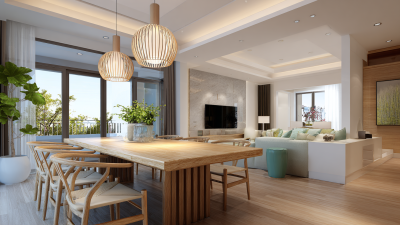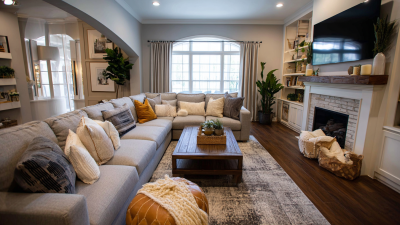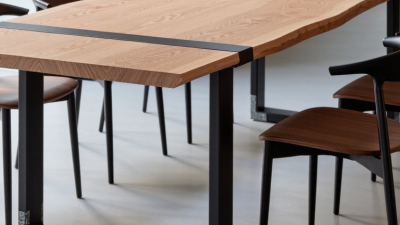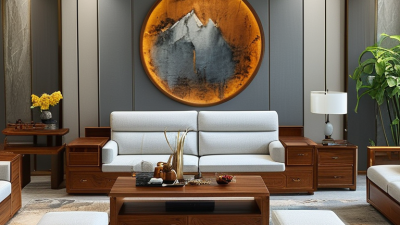
Why Choose a Large Living Room Table for Modern Spaces?

Why Choose a Large Living Room Table for Modern Spaces?

A large living room table can give a modern interior a stronger visual center. It gathers books, coffee cups, candles, and conversation in one practical area. Interior designer Ilse Crawford said, “The point of design is to create a framework for life.” Her idea explains why scale matters. A table should support daily routines, not merely fill empty floor space.

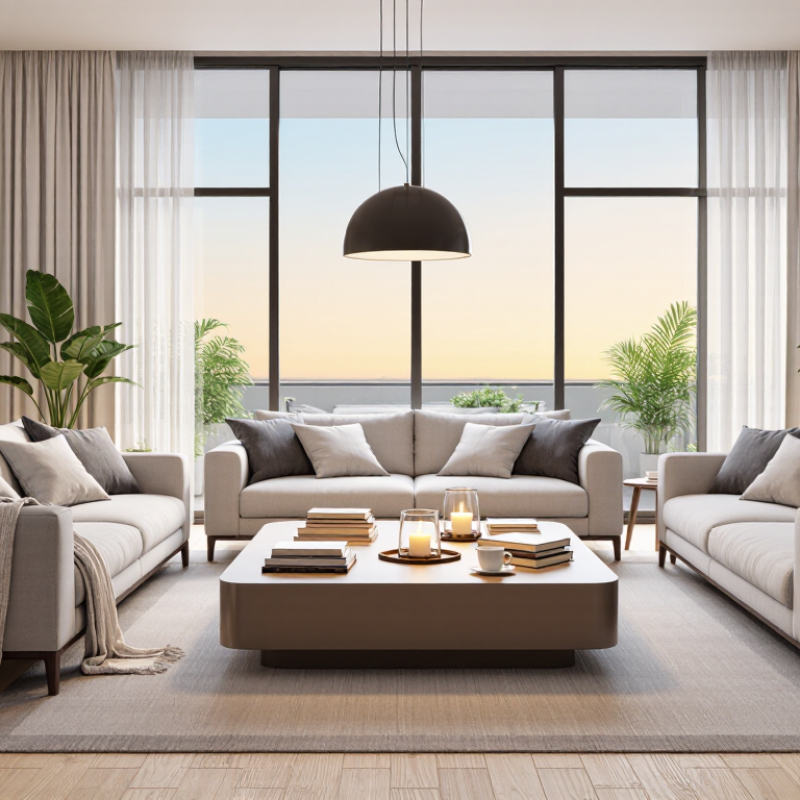
In a compact apartment, a broad rectangular table can define the seating zone without adding another wall. In a larger room, it can prevent sofas from feeling disconnected. Leave about 45 centimeters between the table and surrounding seating for comfortable movement. Check the tabletop height, too. It should sit close to the sofa seat, usually around 40 to 45 centimeters high. Small details matter.

Not every large table works. That is the uncomfortable part. A heavy stone top may look impressive but feel cold beside soft fabric furniture. Sharp corners can also create problems in busy homes. Families with children may prefer rounded edges and durable finishes. A scratched wood surface might even become part of the room’s character.

The best large living room table balances proportion, access, and personality. Measure the room before shopping. Mark the proposed footprint with tape. Then walk around it. Does it interrupt the doorway? Does it leave space for stretching your legs? Modern design is not always about perfection. Sometimes, the right table reveals how the room truly needs to be lived in.
Why Choose a Large Living Room Table for Modern Spaces?

Defining the Role of a Large Living Room Table

A large living room table defines how a modern space works. It is not merely a surface for lamps, books, or coffee. Its size establishes a visual center and supports several daily activities without constant rearrangement. The U.S. Census Bureau’s 2023 American Community Survey reported an average household size of 2.57 people. A generous table can therefore serve shared routines, from weekend breakfasts to evening board games. It also gives smaller seating groups a stronger sense of connection.

Its role becomes clearer through real use. The Bureau of Labor Statistics reported that 95% of Americans aged 15 and older participated in leisure activities on an average day in 2023. That statistic supports a table designed for more than decoration. A 120-centimeter rectangular surface can hold two mugs, a laptop, and a small tray while preserving comfortable reach. Rounded corners improve movement around sofas, especially in homes with children or narrow walkways. Storage underneath helps control visual clutter, though open shelving can quickly become untidy. That is the uncomfortable part. Bigger does not always mean better. Designers should measure circulation space, not only the room’s empty footprint. A practical clearance of about 45 centimeters around seating often feels more usable than a dramatic but cramped arrangement. The table should invite use, not block it.

Key Benefits for Modern Living Spaces

A large living room table can make a modern space feel more useful and welcoming. It creates a central surface for coffee, books, puzzles, and quiet conversations. In my experience, a generous table also helps separate seating areas without blocking the room. Guests can place glasses nearby, while children have space for drawing. The room feels connected, not crowded.

The right table supports daily comfort as much as visual balance. A wide surface works well in open-plan homes, especially when the sofa, chairs, and lighting surround it naturally. Durable wood, stone, or carefully finished composite materials can handle regular use. However, larger is not always better. I once selected a table that looked impressive but left too little walking space. That mistake made the room feel awkward.

Tips: Measure the walking paths before shopping. Leave enough clearance for people to pass comfortably. Keep the tabletop close to seat height. Choose softened edges for busy households. Test the table from several seats, not just from the doorway. A tray can control small items, but too many decorations reduce useful space. Consider storage nearby for blankets, chargers, and remote controls. Check how daylight changes across the surface. A beautiful table may still disappoint if it creates glare or demands constant cleaning.

Choosing the Right Size, Shape, and Materials

Why Choose a Large Living Room Table for Modern Spaces?

Choosing the Right Size, Shape, and Materials

A large living room table can anchor an open modern space without making it feel unfinished. The right size matters more than dramatic styling. Measure twice.

Leave about 30 to 36 inches between the table and surrounding seating for comfortable movement. A table roughly two-thirds the sofa’s length often looks balanced. However, room proportions can challenge this rule. A compact sofa with deep cushions may need a shorter table.

Shape should respond to traffic patterns. Rectangular tables suit long sofas and structured layouts. Round or oval tables soften sharp corners and help people move around them.

In homes with children, curved edges may feel safer and more practical. Square tables can work well in generous seating arrangements, but they may block narrow walkways.

Material affects both appearance and daily maintenance. Solid wood adds warmth, while glass keeps a small room visually lighter. Stone offers a substantial, tactile surface, yet it can feel cold and may require sealing. Metal creates a clean architectural effect, though fingerprints can become annoying.

Check the table’s height against the sofa seat. A surface slightly lower than the cushions usually feels natural. Test the reach from every seat. A beautiful table that forces stretching is not successful design. Consider cables, books, drinks, and the occasional forgotten toy before choosing a delicate finish.

Balancing Functionality with Contemporary Style

A large living room table can anchor an open, modern space without making it feel formal. Its value comes from balance, not size alone. I usually measure the sofa, walking routes, and door swings before choosing a table. A table around 120 to 150 centimeters long may suit a generous seating area. Smaller rooms need more restraint. Otherwise, the table becomes an obstacle.

Function should guide the contemporary look. Leave roughly 40 to 45 centimeters between the table and sofa for comfortable movement and legroom. A lower table keeps sightlines open, while drawers can hold remotes, magazines, and charging cables. I prefer durable surfaces with visible texture, such as carefully finished wood or honed stone. They feel practical when touched every day. Sharp corners can also become frustrating in busy homes.

Style needs breathing room. Place a shallow tray, a ceramic bowl, and one small lamp rather than covering every inch. The empty surface matters. It makes the room appear calmer. I once chose a table that looked elegant in a showroom but felt oversized at home. The proportions were wrong. Reviewing the layout from several angles would have prevented that mistake. A large table should support conversation, snacks, books, and quiet pauses without demanding attention.

Why Choose a Large Living Room Table for Modern Spaces?

Balancing functionality with contemporary style means gaining more usable surface area without compromising a clean, spacious layout.

The chart compares common rectangular coffee-table dimensions. Surface area is calculated from length × width, showing how a larger table can support more books, drinks, décor, and everyday activities while maintaining a simple modern form.

Planning Placement, Movement, and Everyday Use

A large living-room table should support movement, not merely fill space. The 2024 U.S. Houzz & Home Study reported a median $5,000 living-room renovation spend for 2023. That investment deserves careful planning. Start by taping the tabletop’s footprint on the floor. Keep roughly 16 to 18 inches between the table and sofa seating. Leave about 36 inches for a comfortable main passage. Homes requiring an accessible route need professional review; ADA Standards commonly specify 36 inches as a minimum clear width.

Daily use changes the calculation. BLS data show U.S. adults averaged 5.3 hours of leisure and sports per day in 2023. That time may include meals, laptops, games, and feet on the edge. Choose a surface that can handle these habits. Rounded corners help near active walkways. A lower profile preserves sightlines. Storage underneath is useful, but crowded baskets can catch shoes.

Measure the sofa, chairs, and door swing together. The table should sit near the seating center, not the room’s geometric center. I often misjudge scale when viewing an empty room. Tape exposes the mistake. It can still feel too large. Consider a nesting side table for overflow. A large table succeeds only when people can pass, sit, reach, and turn without apology.

Why Choose a Large Living Room Table for Modern Spaces?

Practical planning guide for selecting and positioning a large living room table around movement, seating, proportions, and everyday use.

Living Room Area Recommended Table Size Minimum Walking Clearance Ideal Sofa-to-Table Distance Typical Seating Capacity Best Everyday Use
Small modern room
Up to 180 sq. ft. / 17 m²
36–42 in. long × 20–24 in. wide
91–107 × 51–61 cm
At least 24 in. / 61 cm around the main walking path 16–18 in. / 41–46 cm from the sofa edge 2–3 people Drinks, books, remote controls, and compact daily activities without overcrowding the room.
Medium living room
180–300 sq. ft. / 17–28 m²
42–54 in. long × 24–30 in. wide
107–137 × 61–76 cm
30 in. / 76 cm for comfortable circulation between furniture 16–18 in. / 41–46 cm from surrounding seating 3–5 people Shared snacks, board games, laptops, and flexible seating for everyday entertaining.
Large open-plan room
300–450 sq. ft. / 28–42 m²
54–66 in. long × 28–36 in. wide
137–168 × 71–91 cm
30–36 in. / 76–91 cm on primary routes 18 in. / 46 cm from the sofa, with enough room for leg movement 4–6 people Anchoring a seating group, serving refreshments, working temporarily, and organizing shared items.
Extra-large entertaining space
More than 450 sq. ft. / 42 m²
60–72 in. long × 30–40 in. wide
152–183 × 76–102 cm
36 in. / 91 cm or more around high-traffic areas 18–20 in. / 46–51 cm from the nearest seating 5–8 people Large gatherings, serving food, group games, and creating a strong visual center in an open layout.
Room with children or pets
Any room size
Choose a size that leaves at least 30 in. / 76 cm of clear movement space 30–36 in. / 76–91 cm on routes used frequently 16–18 in. / 41–46 cm from seating Based on the available floor area Prefer rounded corners, stable construction, and a surface that is easy to clean and safe during active movement.
Work-and-relax living room
Any room size
At least 48 in. long × 24 in. wide
122 × 61 cm when a laptop or writing area is needed
30 in. / 76 cm behind chairs or along routes used for work 18–20 in. / 46–51 cm from the main seat 2–4 people Supporting laptops, reading materials, occasional meals, and flexible work without replacing the main seating area.

Planning rule: Measure the table, seating, rugs, and walking routes together before purchasing. A large table works best when it provides useful surface area while preserving clear circulation around doors, windows, and frequently used furniture.