How to Choose the Perfect Living Room Table for Your Space?
Choosing the ideal living room table can transform your space. According to renowned interior designer Anna Kline, "The right living room table ties a room together." This vision captures the essential role a table plays in creating a cohesive living space.
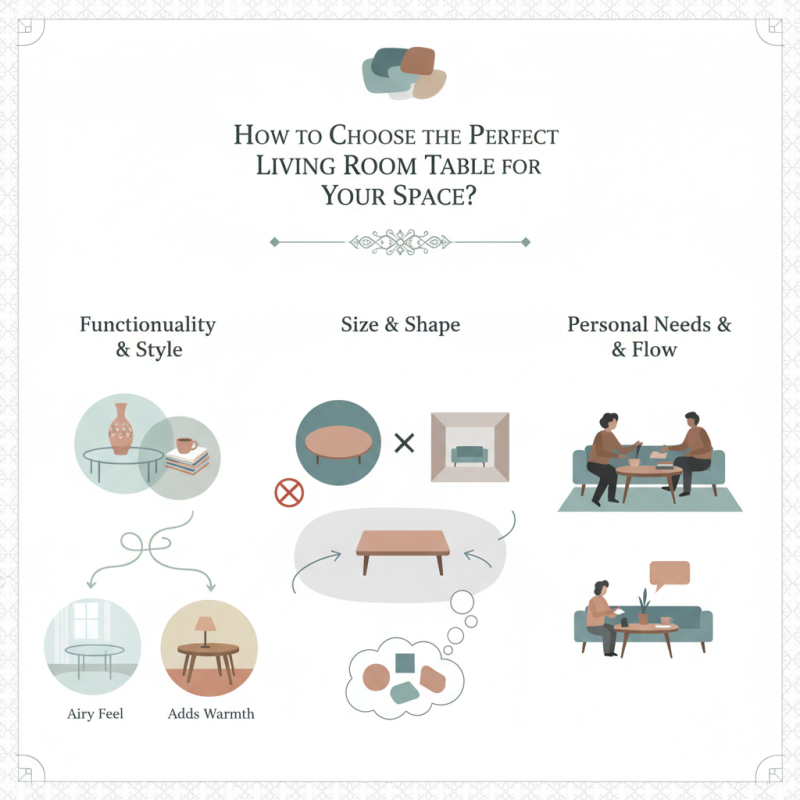
When selecting a living room table, consider both functionality and style. A table should complement your seating arrangement and provide a balance between aesthetics and usability. For example, a glass-top table can create an airy feel, while a wooden table adds warmth. Think about how you will use the table. Is it for displaying decor, serving snacks, or holding drinks?
Don't overlook size and shape. A bulky table may overwhelm a small room, while a tiny table might get lost in a spacious area. Reflect on your personal needs and the room's flow. Sometimes, an unconventional choice can spark creativity. Ultimately, the right living room table enhances comfort and invites conversation. It's a key piece in making your home truly yours.
Choosing the Right Dimensions for Your Living Room Table
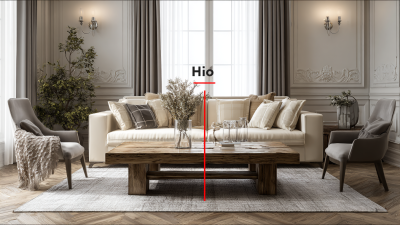
Choosing the right dimensions for your living room table is crucial. The size can make a big difference in aesthetics and functionality. Start by measuring your space. Consider the flow of movement around the table. Ideally, you want at least 24 inches of clearance for easy navigation.
Next, think about the table's height. Standard dining tables are about 30 inches tall. Coffee tables, on the other hand, are generally lower, around 16-18 inches. This height needs to complement your seating. If your sofa is particularly low, a taller table may feel awkward.
Don't forget about the shape. Rectangular tables can stretch long spaces, while round tables often allow for a more intimate setting. An imperfect choice can lead to uncomfortable conversations. Reflect on how you use your space. Will the table serve meals, host games, or just hold decor? Each function requires a different approach. Picking the right dimensions can feel overwhelming, but pondering these details will guide you.
Understanding Different Table Shapes and Their Aesthetic Impact
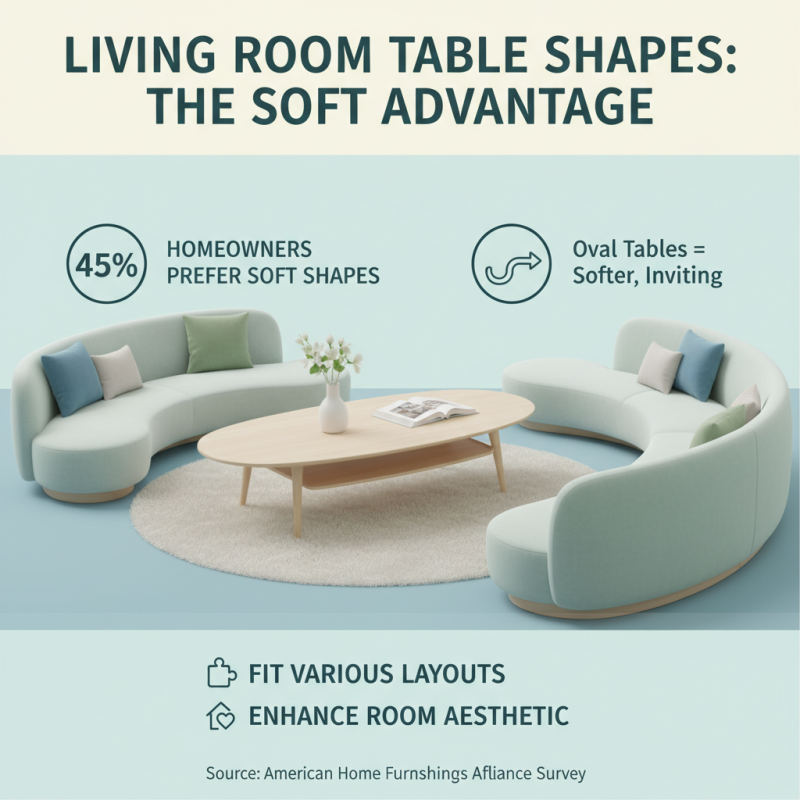
When choosing a living room table, the shape significantly influences the room's aesthetic. Oval tables, for example, can create a softer, more inviting atmosphere. According to a recent survey by the American Home Furnishings Alliance, 45% of homeowners prefer soft shapes. This preference might stem from their ability to fit comfortably in various layouts.
Square and rectangular tables suggest order and symmetry. They work well in formal settings, promoting a structured look. However, they can feel harsh in a cozy space. The same report indicates that 30% of respondents find these shapes too rigid for casual gatherings. The challenge lies in balancing design and function.
Additionally, round tables encourage conversation. They eliminate corners, creating an inclusive environment. Yet, they may compromise surface space for decor or dining. Homeowners often struggle to find the ideal mix of form and utility. Interior design isn't just about trends; it's about creating a space that feels right for you. Embracing imperfections in your selections can lead to a more personalized experience.
Exploring Material Options: Durability vs. Design for Living Room Tables
Choosing the right material for your living room table can greatly impact both durability and design. High-quality wood creates warmth but may require regular maintenance. Metal tables are sleek and modern, yet they can scratch easily. Glass surfaces add elegance but are fragile and prone to fingerprints.
Tips: Consider how much wear and tear your table will experience. If your household has kids or pets, prioritize durability over aesthetics.
Reports from the Furniture Association show that 70% of buyers prefer tables with easy-to-clean materials. This insight can guide your selection. Don't overlook composite materials; they offer a good balance of design and durability.
Finding the right table can involve trial and error. You may discover that a table looks great but does not fit your lifestyle. Reflect on how you use your space. A well-chosen table should enhance your living area without the constant worry of damage.
How to Choose the Perfect Living Room Table for Your Space? - Exploring Material Options: Durability vs. Design for Living Room Tables
| Material |
Durability Rating |
Design Flexibility |
Maintenance Ease |
Cost Range ($) |
| Wood |
Moderate |
High |
Moderate |
200 - 800 |
| Glass |
Low to Moderate |
High |
High |
150 - 600 |
| Metal |
High |
Moderate |
Moderate |
300 - 700 |
| Marble |
High |
Moderate |
Low |
500 - 1500 |
| Plastic |
Low |
High |
High |
50 - 300 |
Identifying Functional Needs: Coffee Tables vs. End Tables
When selecting the right table for your living space, it's crucial to identify functional needs. Coffee tables and end tables serve different purposes. According to a recent industry report, around 53% of homeowners prioritize their coffee tables for functionality. These tables usually act as a central gathering point. They hold drinks, snacks, and decor.
End tables, on the other hand, often go unnoticed. They provide more than just support for lamps and books. About 42% of homeowners use them for additional storage. Their compact size makes them versatile for any area. However, many people don't think about how these tables can enhance a room's flow.
Think about the aesthetic as well as utility. A coffee table should pair well with your couch. Yet, many overlook it, leading to mismatched styles. End tables can create balance, but they require careful placement. In fact, a survey indicated that 37% of individuals regret their end table's position after the fact. Consider your lifestyle and make informed choices for a harmonious living room.
Choosing the Right Living Room Table: Coffee Tables vs. End Tables
This chart compares the key considerations when choosing between a coffee table and end tables for your living room. Each factor is rated out of 100 based on the overall importance to functionality, style, size, material, price, and versatility in a living room setting.
Budgeting for Quality: Average Costs of Living Room Tables by Style
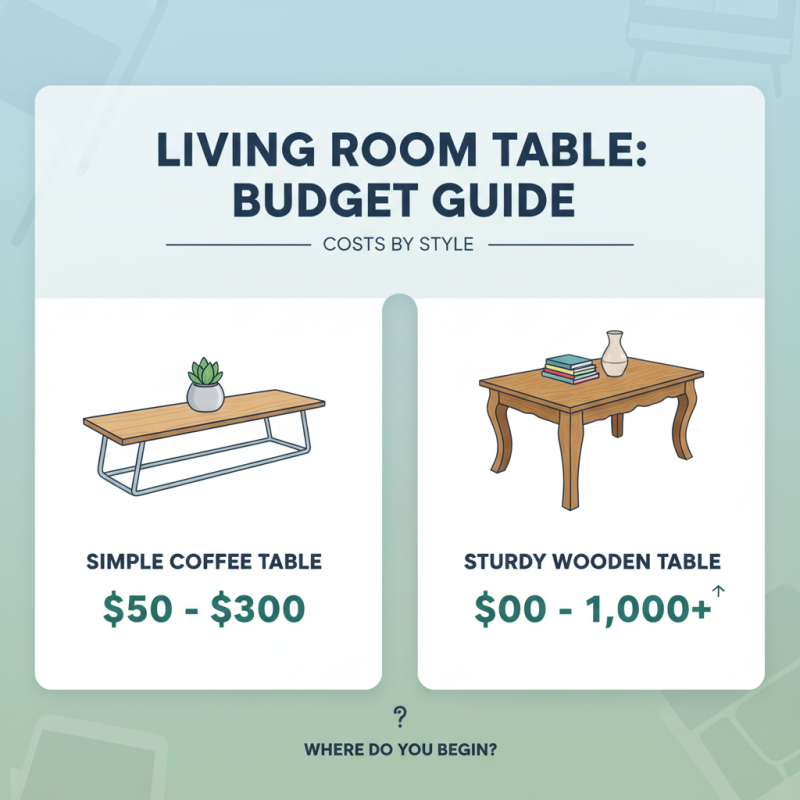
When selecting a living room table, budgeting is key. The average costs can vary significantly based on the style you choose. For instance, a simple coffee table can range from $50 to $300. In contrast, a sturdy wooden table might set you back $300 to $1,000. This range can be daunting. Where do you begin?
Think about your personal needs. A sleek glass table might look modern, but it could be fragile. A rustic farmhouse style, however, brings warmth. Prices between styles can often overlap, making decisions even trickier. Spend time researching. Sometimes, you may need to select a less popular style to find budget-friendly options.
Consider materials carefully. Solid wood is durable but pricier. Metal tables offer a contemporary feel, often at lower costs. Explore used or vintage options. They can provide unique character while saving money. Reflect on what fits your lifestyle. Will you frequently entertain guests? Ensure your table can handle the wear. Small details matter; they can lead to unexpected overspending or satisfaction.