Top Door Hinge Trends at the 2026 Canton Fair Insights?
The 2026 Canton Fair is set to showcase the latest trends in Door Hinges. Held from April 15 to May 5, this event will feature cutting-edge products tailored for various industries. Key areas include advanced manufacturing, household goods, and construction materials. Door hinges, often overlooked, will take center stage among products aimed at enhancing functionality and design.
Innovations in door hinge technology are crucial for modern architecture. Manufacturers are prioritizing durability, aesthetic appeal, and ease of installation. The integration of AI tools at the fair will help buyers find the right suppliers for quality door hinges, certified under international standards like ISO and CE. This focus on quality often reflects the challenges faced in today's market.
However, the rapid changes in consumer preferences may create a gap. Some manufacturers might struggle to keep up. The evolving landscape requires continuous adaptation and reflection. As we look forward to this fair, the role of door hinges in both form and function should not be underestimated.
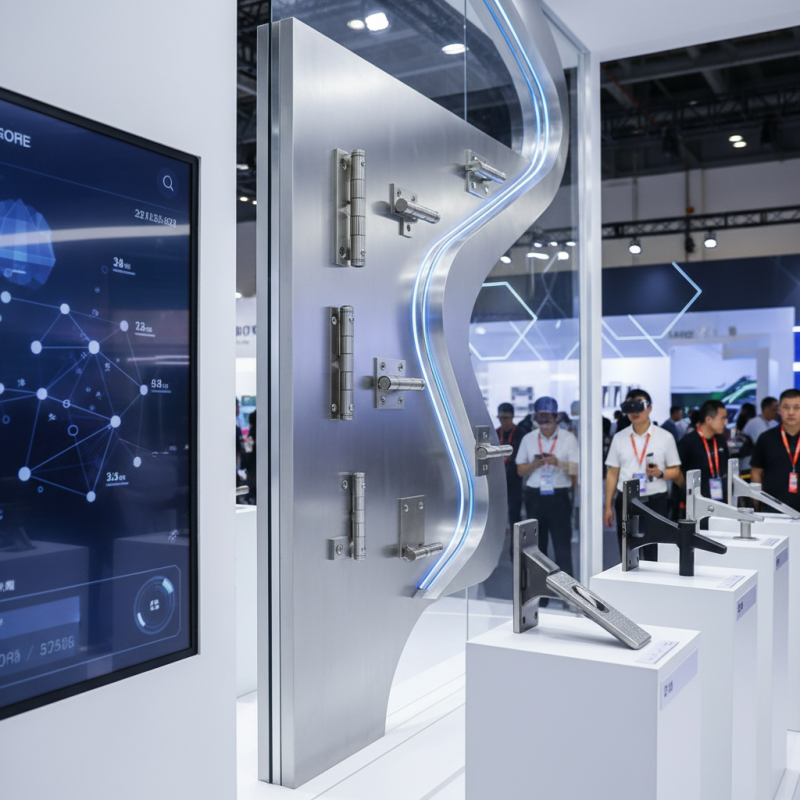
Emerging Trends in Door Hinge Designs at the 2026 Canton Fair
The 2026 Canton Fair is set to showcase innovative trends in door hinge designs. Industry reports indicate a significant shift towards sustainable materials. Over 50% of manufacturers focus on eco-friendly options, such as recycled metals and biodegradable plastics. This is not just a trend; it's becoming a necessity in modern construction.
Another prominent trend is the integration of smart technology in door hinges. Companies are experimenting with sensors and automatic locking mechanisms. This could enhance security and convenience for homeowners. A recent study highlighted that 40% of consumers prefer smart home features, including smart hinges.
Tip: Consider the durability of materials when choosing hinges. Sustainable options can be both strong and environmentally friendly.
However, not all innovations are flawless. Some smart hinges face issues with connectivity, which frustrates users. Another concern is the higher cost associated with advanced designs. Manufacturers need to balance quality and affordability.
Tip: Always research the longevity of new materials. Testing prototypes can reveal hidden flaws that could arise later.
Sustainability Practices in Door Hinge Manufacturing
The door hinge manufacturing industry is experiencing a significant shift towards sustainability practices. Recent data shows that nearly 70% of consumers prefer eco-friendly products. This preference is shaping how manufacturers approach production. Energy-efficient processes and sustainable materials are now at the forefront of development.
Recycled metals are becoming a popular choice in hinge production. Reports indicate that using recycled aluminum can reduce energy consumption by up to 95%. This shift not only lowers production costs but also lessens environmental impact. Many companies are still grappling with the transition. They face challenges in sourcing these materials consistently. This inconsistency can lead to a reliance on less sustainable options.
Furthermore, renewable energy sources are being integrated into manufacturing plants. Approximately 30% of new facilities are expected to utilize solar or wind energy by 2026. While this is a promising trend, the transition requires substantial investment. Some manufacturers express concerns over the financial burden. Questions about return on investment remain. As the industry moves forward, continuous reflection on these practices is essential. Balancing profit and sustainability presents a crucial challenge.
Top Door Hinge Trends at the 2026 Canton Fair: Sustainability Practices in Door Hinge Manufacturing
Innovative Materials Used in Modern Door Hinges
The door hinge industry is evolving with innovative materials that enhance performance and durability. Recent reports suggest that high-performance plastics are gaining popularity, as they resist corrosion better than traditional metals. For instance, studies indicate that plastic hinges can reduce weight by up to 40%, making them ideal for modern designs. These materials not only offer aesthetic benefits but also contribute to energy efficiency in buildings.
Metal composites are another trend. They combine the strength of metal with the lightweight properties of composites. This results in hinges that are both durable and suitable for heavy doors. According to industry data, composite hinges can handle up to 50% more load than conventional options. This change is crucial for larger, more complex door systems.
Tips: When selecting hinges, consider both the weight of the door and the material of the hinge. Proper matching can prevent unnecessary wear. Keep in mind that some newer materials may have a longer lifespan but could be challenging to source. Always weigh your options carefully. Making informed choices now can lead to substantial benefits down the road.
Technological Advancements Shaping Door Hinge Functionality
The door hinge industry is experiencing significant technological advancements. Key innovations are improving hinge functionality and durability. The global market for door hinges is projected to grow at a compound annual growth rate (CAGR) of over 6% from 2021 to 2026. This growth reflects a rising demand for efficient hardware in residential and commercial applications.
Smart hinges are gaining attention. They incorporate sensors for improved security and accessibility. For instance, many now feature automatic closing mechanisms. These reduce wear and increase lifespan. Recent studies indicate that over 35% of consumers prefer smart features in household products. This shift signals a trend toward integrating technology in everyday hardware.
However, not all advancements are flawless. Many hinges bought online lack adequate installation guides. Some technologies may not fit all door types, leading to compatibility issues. User feedback on installations often highlights frustration. Despite the promise of innovation, companies must refine their product support and ensure accessibility for all customers. The path to seamless integration of technology into door hinges is still a work in progress. Future developments should focus on addressing these common concerns.
Market Demand and Consumer Preferences for Door Hinges in 2026
The demand for door hinges is changing rapidly. A recent industry report indicates that the market for door hardware is expected to grow by 5% annually until 2026. Consumers now prioritize durability and aesthetic appeal. Modern hinges must support heavier doors while blending seamlessly with design trends.
Sustainability is another key focus. Surveys show that 63% of consumers prefer eco-friendly materials. Recycled metals are gaining traction, impacting manufacturing processes. This shift can create challenges for brands to maintain quality while becoming greener. Meeting these expectations is complex.
Customization is also on the rise. Many consumers want hinges that match their personal style. Research indicates that 47% of buyers are willing to pay more for bespoke solutions. The challenge lies in balancing mass production with the need for unique designs. Meeting diverse consumer preferences requires careful consideration and innovation.