Top Tips for Choosing the Perfect Living Room Table?
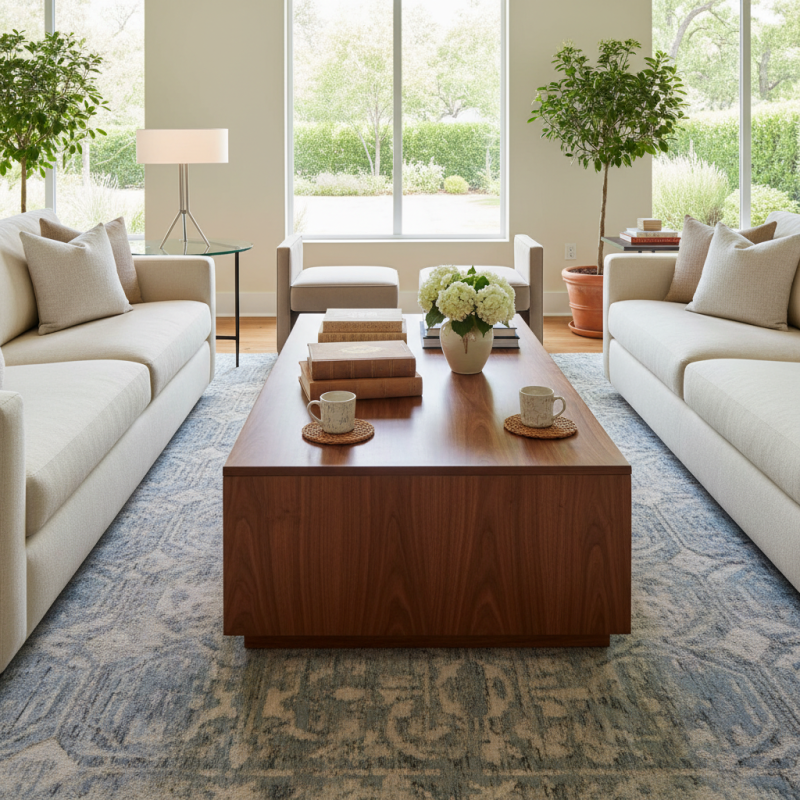
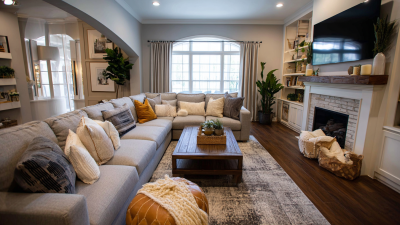
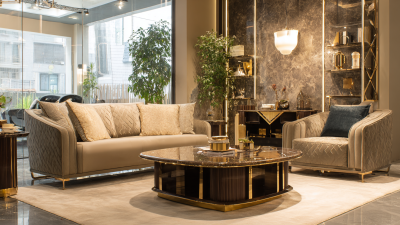
Choosing a living room table is more than picking a piece of furniture. It’s about enhancing your space's style and functionality. An ideal table serves as a centerpiece, drawing people in. It reflects your tastes and complements your decor.
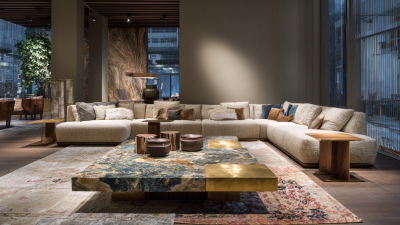
When considering a living room table, think about various factors. Size and shape play a crucial role in how the table fits within the room. A table that is too large can overwhelm a small space. Conversely, a small table might get lost in a larger room.
Material is another important aspect. Wood adds warmth, while glass creates a modern vibe. Each material has its pros and cons. Reflect on how different options align with your lifestyle and needs. Ultimately, the table you choose should invite conversation and create a welcoming atmosphere. This decision doesn’t have to be perfect, but it should bring you joy.
Defining the Role of a Living Room Table in Interior Design
The role of a living room table in interior design goes beyond mere functionality. According to a recent report by the American Home Furnishings Alliance, 68% of homeowners view their living room table as a central gathering point. This highlights its importance in promoting social interaction and comfort within the space.
When selecting a table, consider its impact on the overall layout. A coffee table, for instance, should encourage ease of movement. A table that is too large may block pathways, leading to an awkward flow. The ideal size allows drinks and décor while facilitating conversation.
Materials also affect the ambiance. Wood finishes evoke warmth, while glass adds a modern touch. However, it’s necessary to reflect on durability. A beautiful table that chips or scratches easily won’t serve well in a busy household. Statistics show that 42% of families regret not considering practicality when choosing furniture. Thus, prioritizing both aesthetics and functionality is key.
Evaluating Different Types of Living Room Tables: Pros and Cons
When evaluating different types of living room tables, it's essential to consider their pros and cons. Coffee tables, for instance, are a staple in many homes. They provide a central spot for drinks and snacks. According to a recent survey by the National Furniture Retailers Association, 75% of homeowners report using their coffee tables for entertaining guests. However, they require ample space. In smaller living areas, a bulky coffee table can make the room feel cramped.
End tables, or side tables, offer versatility. They can be placed beside sofas or chairs, serving as a convenient spot for lamps or books. Their compact size can enhance a room's functionality without overwhelming the space. However, they may lack the charm or design impact of larger tables. Almost 60% of interior designers recommend mixing styles to achieve a balanced look. Yet, this might lead to a lack of cohesion if not done thoughtfully.
Accent tables can be excellent for adding flair. They often come in unique shapes and materials. A report by the American Home Furnishings Alliance notes that 68% of consumers value aesthetic appeal when selecting accent tables. However, these tables sometimes lack practicality. They are not always sturdy enough for heavy usage. Reflecting on these details can help you choose the right table for your living area.
Considering Your Space: Size and Shape Selection Guidelines
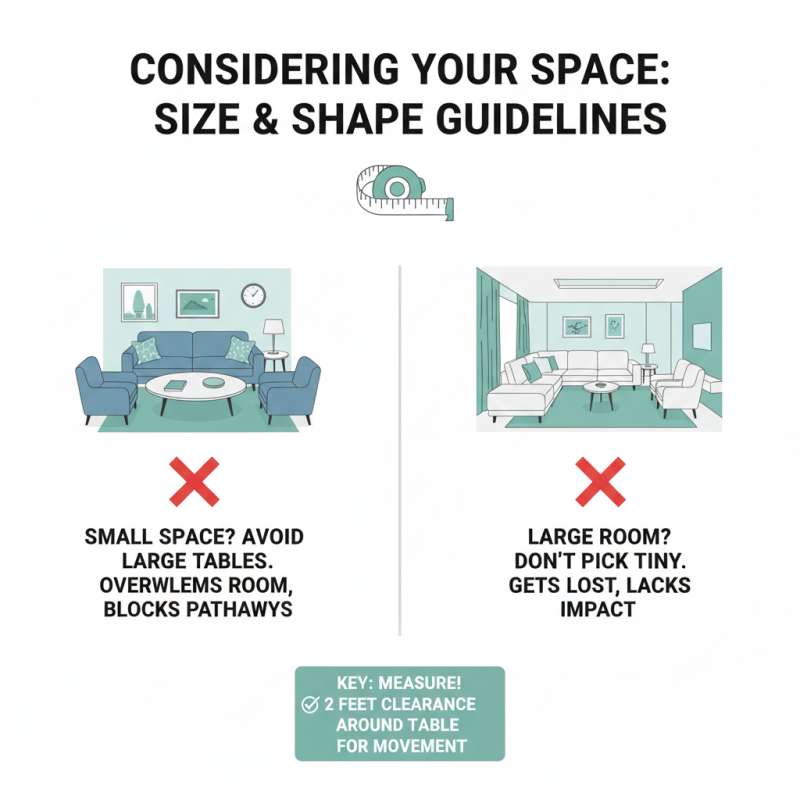
When choosing a living room table, size and shape are crucial. A large table can overwhelm a small space, making it feel cramped. Conversely, a tiny table can get lost in a larger room, failing to make an impact. Measure your space carefully. A table that’s too big may block pathways. Ensure at least two feet of clearance around your table for comfortable movement.
Shape is just as important. Round tables encourage conversation, perfect for gatherings. However, they may not fit well in square rooms. Rectangular tables offer elegance and suit longer spaces. They provide more surface area, but can create a divide in the room. Consider how the table will function. Will it be used for meals, games, or display?
It’s valuable to visualize the table in your room. Use painter’s tape to outline its dimensions on the floor. This allows you to see if your chosen size feels right. Analyze the room's flow. The table should complement your decor without overpowering it. Balancing aesthetics and functionality is key for a harmonious living space.
Material Matters: Choosing the Right Material for Your Table
When selecting a living room table, the material is paramount. Wood, glass, and metal are popular choices, each offering distinct aesthetics and durability. According to the National Association of Home Builders, 45% of homeowners prefer solid wood due to its longevity and classic appeal. However, wood requires regular maintenance to prevent scratches and water damage, which can be a drawback for busy households.
Glass tables are another option. They create an illusion of space and blend well with various styles. However, they are prone to fingerprints and may shatter if not treated carefully. Industry reports indicate that 30% of consumers favor glass tables for their sleek appearance, but about 50% express concerns over safety in homes with children or pets. This highlights an important consideration: the balance between style and practicality.
Metal tables are gaining traction too. They are known for their strength and modern look. A study from the Furniture Industry Research Association shows that metal tables are expected to see a 15% growth in popularity over the next five years. This is largely due to their ability to withstand wear and tear. However, they can be heavy and may limit mobility within the living space. Evaluating material deeply can lead to a more satisfying purchase, ensuring that the table aligns with lifestyle needs.
Top Tips for Choosing the Perfect Living Room Table
This chart illustrates the popularity of different materials used for living room tables based on consumer preference. The data reflects the increasing trend of selecting tables based on material characteristics such as durability, aesthetics, and maintenance.
Style and Aesthetics: Aligning Your Table with Your Home Decor
When choosing a living room table, style and aesthetics play a crucial role. A table should complement your home decor, creating a cohesive environment. Consider the color palette of your space. A table in a matching hue can enhance your decor. Bold contrasts can also be striking. For example, a dark table can stand out in a light room.
Materials matter too. Wood offers warmth, while glass can create a modern feel. Think about textures that pair well with your seating. A smooth table might clash with a plush sofa. Balance is key for harmony in your living space.
Reflect on the scale of the table. A large table can overwhelm a small room. Conversely, a tiny table might look lost in a spacious area. Assess your space thoughtfully. It’s essential to envision how the table will function. Form and function should work together, even in imperfect designs.