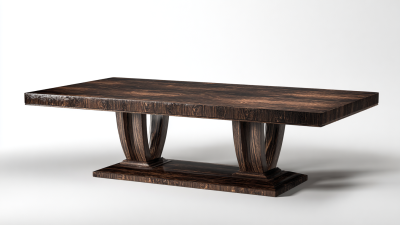
Top 10 Dining Room Table Set Manufacturers Worldwide
A dining room table set is more than a table with matching chairs. It shapes daily meals, family conversations, and the visual character of a home. In a showroom, the difference can appear subtle. At home, it becomes obvious.
British designer and restaurateur Sir Terence Conran once observed, “The dining table is the center of the home.” That idea remains relevant. A strong dining room table set should balance comfort, durability, proportion, and design. It should also suit real habits, from quick breakfasts to extended holiday dinners.
This guide examines the Top 10 Dining Room Table Set Manufacturers Worldwide. The selection considers material quality, manufacturing experience, design consistency, product range, warranty practices, and international market reputation. These factors matter more than attractive photography alone. Solid wood may offer warmth and repairability, while engineered materials can improve stability and price control. Upholstery, joinery, surface finishing, and packaging deserve equal attention.
Not every manufacturer excels in every category. Some lead in craftsmanship but provide limited customization. Others offer competitive prices yet show uneven finishing across collections. That is worth admitting. Rankings can also change as supply chains, certifications, and customer service standards develop.
The companies discussed here represent different strengths and production philosophies. Some focus on handcrafted furniture. Others use advanced factories and scalable designs. Readers should still verify dimensions, material specifications, delivery terms, and regional warranties before purchasing. A beautiful dining room table set can disappoint if its chairs feel narrow or its finish marks easily.
This overview aims to provide practical, evidence-based guidance for homeowners, designers, retailers, and hospitality buyers. There is no perfect manufacturer. There may be a better fit for your room, budget, and everyday life.
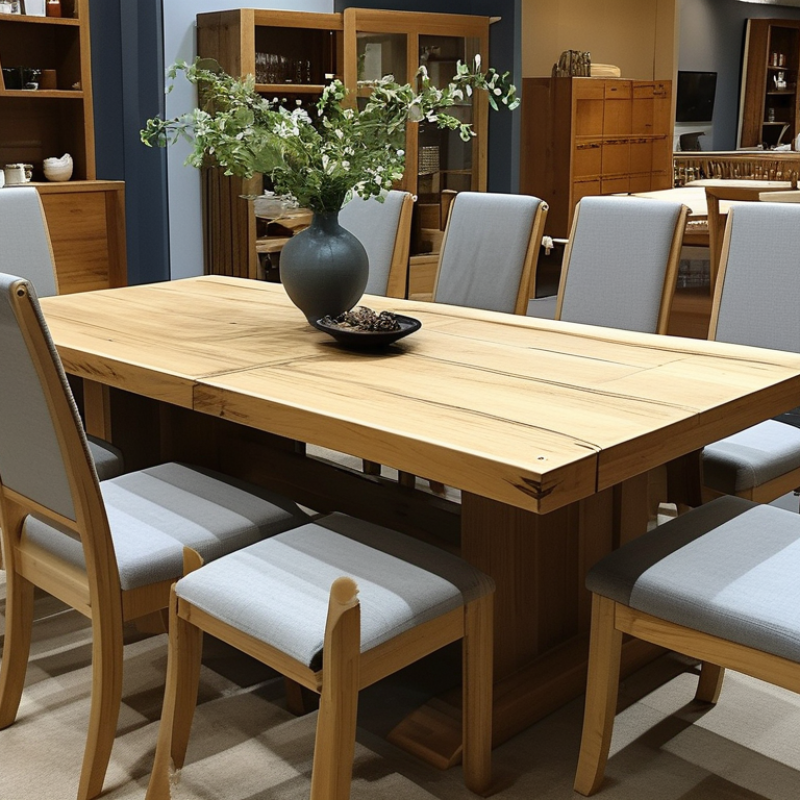
Global Market Scope of Dining Room Table Set Manufacturers
The global dining room table set market spans residential furniture, hospitality projects, rental housing, and online retail. Demand differs sharply by region. Urban buyers often prefer compact tables, while larger homes support extendable designs. Manufacturers compete through solid wood, engineered panels, metal frames, ceramic surfaces, and mixed-material construction. Production is concentrated across Asia, Europe, and North America, yet distribution reaches many developed and emerging markets. Freight costs, housing activity, and renovation cycles can change purchasing volumes quickly. The market is not uniform.
A reliable evaluation should examine material grades, moisture resistance, load testing, packaging strength, and replacement-part support. Regional standards also influence coatings, formaldehyde limits, labeling, and child-safety requirements. Industry sourcing experience shows that factory capacity alone proves little. Consistent inspection records matter more. No supplier scores perfectly. A low price may hide weak edge sealing or expensive damage claims. Even experienced buyers can underestimate seasonal shipping delays. That deserves careful review.
Tips: Compare landed costs, not factory prices. Request samples from different production batches. Check table stability on uneven floors. Ask for measurable warranty terms. Review recyclable packaging options. Keep a backup supplier for critical projects.
Key Criteria for Evaluating Dining Room Furniture Producers
Top 10 Dining Room Table Set Manufacturers Worldwide
Key Criteria for Evaluating Dining Room Furniture Producers
When comparing the top 10 dining room table set manufacturers worldwide, examine more than appearance and price. A reliable producer should explain its material sources, production methods, and quality controls clearly. Ask for detailed specifications, including tabletop thickness, wood moisture levels, finish type, and chair weight capacity. Solid wood should show consistent grain, while engineered panels need sealed edges and stable cores. Looks can deceive.
Production evidence matters as much as product photography. Request factory images, sample pieces, inspection records, and packaging details before placing a large order. Independent test reports can confirm surface durability, structural strength, and finish safety. A practical evaluation should also review lead times, replacement procedures, communication speed, and shipping protection. I once inspected a beautiful table with weak corner joints. It failed a simple movement test.
Pricing deserves careful context. Compare the same dimensions, materials, hardware, packaging, and service terms. Very low prices may reflect thinner panels or limited inspection, though high prices do not guarantee better craftsmanship. Clear warranties show accountability, especially when they explain coverage for cracking, loose joints, or damaged parts. Sustainability claims should include measurable details, not vague language. No supplier is perfect. A manufacturer that admits limitations may deserve more trust than one promising everything.
Materials, Designs, and Production Capabilities
Top 10 Dining Room Table Set Manufacturers Worldwide: Materials, Designs, and Production Capabilities
Materials reveal more than appearance. Grand View Research valued the global furniture market at approximately US$516.66 billion in 2022. It also forecasts a 5.7% compound annual growth rate through 2030. Leading dining table manufacturers therefore balance solid wood, veneer, engineered panels, metal, and tempered glass. Kiln-dried timber reduces cracking, while high-density panels support stable, affordable production. However, material labels can mislead. “Wood finish” does not always mean solid wood.
Design capability is equally important. Strong manufacturers produce extendable tables, nesting chairs, round tops, and modular sets for smaller homes. A 120-centimeter table may expand to 180 centimeters using concealed rails. Soft-close mechanisms improve daily use. Rounded corners help busy households. Yet visual innovation needs practical testing. A beautiful pedestal can restrict legroom, and a thin tabletop may show fingerprints quickly.
Production quality depends on repeatable processes. CNC cutting, moisture testing, robotic sanding, and controlled spray rooms improve consistency across international orders. The Forest Stewardship Council reports that certified forests cover more than 200 million hectares worldwide, making traceable timber a measurable sourcing option. Still, certification alone cannot guarantee flawless furniture. Factories should inspect joint strength, coating adhesion, table wobble, and packaging damage. Small defects matter. One uneven leg can undermine an otherwise excellent dining set. Supplier audits, batch records, and clear replacement procedures provide stronger evidence than polished showroom photography.
Top 10 Dining Room Table Set Manufacturers Worldwide — Materials, Designs, and Production Capabilities
This benchmark compares ten commonly used dining-table materials by typical density. Density is a practical indicator for evaluating weight, transport requirements, structural design, and manufacturing processes.
Key insight: Steel and aluminum support strong, durable frames, while engineered wood and solid wood offer more flexible design options. Glass and sintered stone provide premium visual finishes but require specialized cutting, tempering, or sintering capabilities.