Top 10 Smart Home Panels You Should Consider for Your Home?
In today’s tech-driven world, a Smart Home Panel serves as the brain of your home automation system. These devices streamline various functions, from controlling lights to managing security. As smart technology continues to evolve, choosing the right panel can feel overwhelming. The market is flooded with options, and not all deliver reliable performance or ease of use.
The ideal Smart Home Panel should integrate seamlessly with your lifestyle. It's essential to consider its compatibility with other smart devices. An intuitive interface is equally important to ensure family members of all ages can navigate it easily. However, amidst the array of features, users often encounter confusion. Each smart panel comes with its unique strengths and weaknesses.
Investing in a Smart Home Panel is a step towards a more connected future. It can transform your everyday routines, but careful thought is necessary. Whether you prioritize security features or energy management, the right choice can enhance your living experience. Despite the numerous benefits, one must weigh the options carefully and reflect on personal needs.
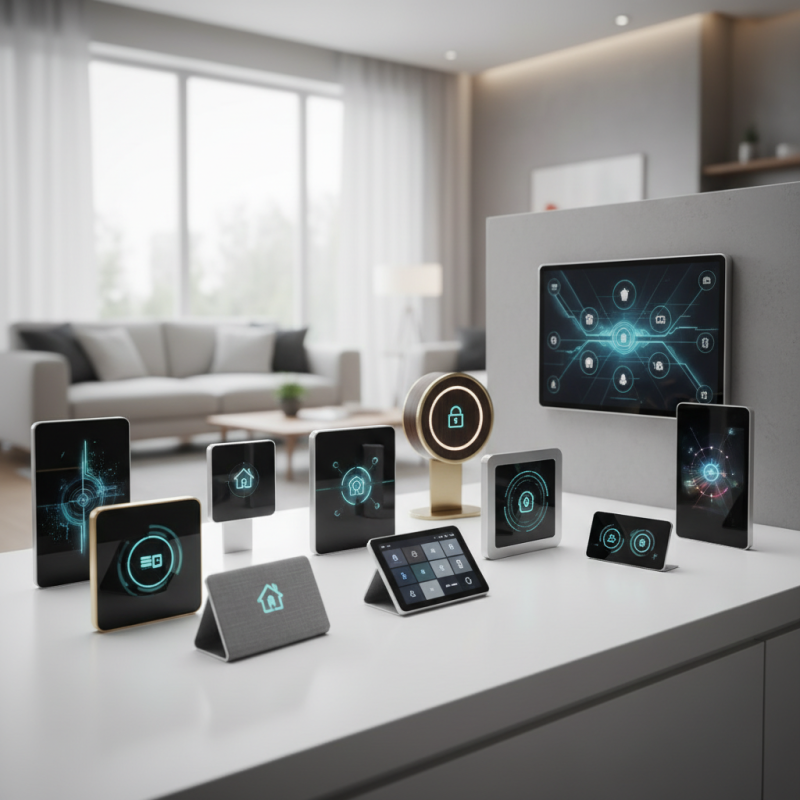
Overview of Smart Home Panels and Their Benefits
Smart home panels have become essential for modern living. These devices serve as central hubs, managing various smart home functions. According to a report by Statista, the smart home market is expected to reach $135.3 billion by 2025. This trend highlights the growing reliance on smart technology in households.
One significant benefit of smart home panels is improved energy efficiency. They allow users to monitor and control power consumption from one interface. A study by the U.S. Department of Energy noted that smart thermostats can reduce energy bills by an average of 10-12%. However, not all panels are user-friendly, which can be frustrating for some users. Balancing advanced features with usability is a challenge.
Another aspect to consider is security. Smart panels can integrate alarms, cameras, and smart locks into one system. A report from Markets and Markets indicates that the global smart security market will grow to $49.2 billion by 2025. But while these systems can enhance safety, concerns about hacking remain valid. Users must stay informed about updates and vulnerabilities. It's crucial to weigh convenience against potential risks.
Top 10 Smart Home Panels - Features Comparison
Key Features to Look for in Smart Home Panels
When considering smart home panels, key features significantly impact user experience and functionality. Look for intuitive interfaces that simplify navigation and control. Recent studies indicate that 70% of users prefer panels that enable seamless integration with various smart devices. This integration allows for centralized control, enhancing overall convenience.
Connectivity is another crucial factor. The best panels support multiple protocols, including Wi-Fi, Zigbee, and Z-Wave. A report by the Consumer Technology Association shows that devices with versatile connectivity options are 35% more effective in managing user smart home ecosystems. Features like voice control and remote access further elevate the user experience by promoting effortless interaction.
Tip: Always assess the panel's compatibility with existing devices before purchasing. Some panels may claim wide compatibility but have limitations. Additionally, consider long-term software support. A panel that frequently updates its software will adapt to new devices and features effectively. This adaptability is essential as technology evolves rapidly in smart homes. Keep these considerations in mind for a more satisfying smart home experience.
Comparison of the Top 10 Smart Home Panels Available
When selecting a smart home panel, understanding the options is crucial. This guide provides insight into the top choices available. Key features include usability, compatibility, and . Users should evaluate how each panel integrates with existing smart devices. Some panels offer sleek, modern aesthetics, while others prioritize functionality. This choice can impact your home's overall feel.
Tips for selecting the right panel:
- Look for user-friendly interfaces. A complicated setup can lead to frustration.
- Additionally, check compatibility with other devices. You want seamless communication between your smart home gadgets.
- Remember to consider software updates as well. Regular updates ensure that your system remains secure and functional.
Some features may not perform as expected. It's essential to read user reviews and experiences. Issues with connectivity or responsiveness can arise. Reflect on whether a feature truly adds value to your lifestyle. A smart panel should simplify your daily routines, not complicate them. Making an informed decision will enhance your smart home experience.
User Experiences and Reviews of Smart Home Panels
Smart home panels have gained popularity for their ability to simplify daily tasks. User experiences greatly influence purchasing decisions. According to a recent market report, 70% of consumers consider ease of use as a key feature. This finding aligns with numerous reviews that highlight how intuitive interfaces enhance user satisfaction.
A survey from Tech Insights revealed that 65% of smart home panel users valued reliable connectivity. Many found frustrations when devices failed to respond promptly. This inconsistency can lead to negative experiences. Users emphasized the need for seamless integration with existing devices. Quality control across different brands varies significantly, contributing to mixed reviews.
Moreover, while most panels come equipped with advanced features, not everyone finds them beneficial. Some users reported feeling overwhelmed by the options. Features that seem appealing can sometimes complicate simple tasks. Additionally, many panels have steep learning curves, deterring potential users. Balancing innovation with simplicity remains a crucial challenge in the market.
Future Trends in Smart Home Technology and Panels
The future of smart home technology is exciting and evolving rapidly. Panels are becoming the central hub for controlling devices. These interfaces will be more intuitive and user-friendly, allowing seamless interaction. Voice commands and touchscreens will enhance accessibility. Imagine controlling lights, security, and entertainment with just a few taps or a simple command.
Energy efficiency will be a key trend. Future panels could analyze usage patterns, suggesting ways to save energy. Smart algorithms might adjust heating and cooling based on occupancy. However, this requires reliable data collection. Users must be mindful of privacy concerns. There’s often a trade-off between convenience and security.
Integration with AI will change how we interact with homes. For instance, predictive maintenance alerts could prevent system failures. Users may benefit from recommendations based on previous behavior. Yet, as connectivity increases, so does complexity. Homeowners need to understand their systems better. Education will be essential in navigating these advancements.