
Top Toddler Tennis Shoes for Comfort and Durability
Choosing Toddler Tennis Shoes is less about finding the cutest pair and more about matching a busy child’s needs. Toddlers walk, run, squat, and sometimes drag their toes across the playground. Shoes need to handle those daily movements without feeling stiff or slippery. Comfort matters. So does construction.
A useful pair usually has a flexible sole, a roomy toe area, and a secure closure that little hands can manage. Check that the heel stays in place and that the sole grips the floor without feeling bulky. Breathable materials can help keep feet comfortable during warm, active days, while reinforced toe areas may stand up better to scuffs. Still, no feature guarantees a perfect fit. Children’s feet vary, and sizing labels can differ between brands.
Try shoes later in the day, when feet may be slightly larger, and check the fit with the socks your child will wear. Leave a little growing room, but not so much that the foot slides forward. Watch your toddler walk and turn. A shoe that looks sturdy on a shelf may feel awkward in motion. I have to admit, online photos make this judgment harder. That is why return policies and careful fit checks are practical parts of shopping, not minor details. The guide ahead compares comfort and durability features to help families choose with fewer guesses—and with realistic expectations.
Understanding Toddler Tennis Shoes and Their Purpose
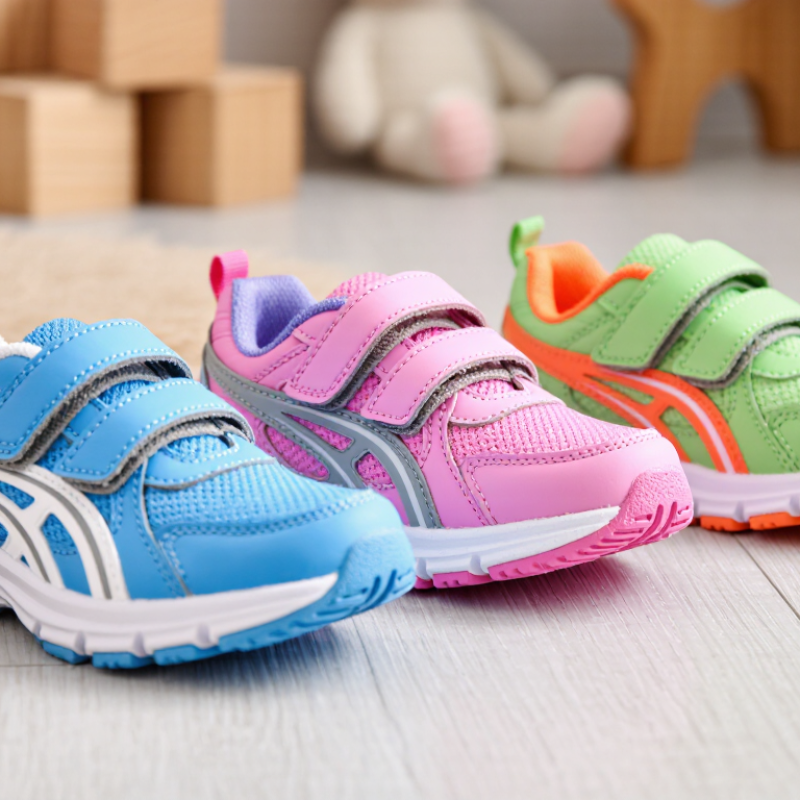
Toddler tennis shoes are everyday athletic shoes, not necessarily shoes made for tennis courts. Their purpose is to support walking, running, and playground play while protecting small feet from rough surfaces. A useful pair should bend near the toes and stay secure when a child changes direction. Comfort is not just softness; a shoe that slips or rubs can make ordinary play frustrating.
Fit matters. Check the shoes while your toddler is standing, since feet may spread under body weight. There should be a little space in front of the longest toe, without so much room that the heel lifts. A wide opening and adjustable fastening can make dressing easier and help keep the shoe in place. Look for a flexible sole with enough grip for indoor floors and outdoor paths. No shoe can prevent every stumble.
Children’s feet grow quickly, so check the fit regularly rather than relying on last month’s size. Watch for red marks, toe crowding, or a child repeatedly pulling at the shoe. Adults can sometimes focus too much on thick cushioning; toddlers also need a stable fit and room to move. The “best” shoe depends on the child’s foot shape, activity, and comfort—not just its appearance.
Top Toddler Tennis Shoes for Comfort and Durability
Understanding fit: leave room for growing toes
A practical fitting guide is to allow about 10–12 mm of space in front of the longest toe when your child is standing. This is an approximate guide, not a universal standard: check the fit in both shoes and reassess regularly as toddlers’ feet grow. A comfortable fit helps avoid cramped toes and unnecessary wear.
How to Choose the Right Fit for Growing Feet
Top Toddler Tennis Shoes for Comfort and Durability
How to Choose the Right Fit for Growing Feet
Choosing tennis shoes for a toddler starts with fit, not the size printed inside. Sizes vary, and little feet grow quickly. Try shoes late in the day, when feet may be slightly larger. Have your child stand in their usual socks. Check both feet; one may be longer. Leave about a thumb’s width at the toe, but avoid a roomy shoe that lets the foot slide.
The heel should stay in place while your child walks, without rubbing. Toes need room to spread, and the shoe should bend near the ball of the foot. A lightweight, grippy sole can suit everyday play. Don’t rely on a quick seated try-on. Watch a short walk, then check for red marks or complaints after removal. No fitting rule is perfect; toddlers may not explain discomfort clearly. Recheck every few months, or sooner if toes press at the front.
Tips: Compare both shoes, feel inside for seams, and test with usual socks. Ask your child to walk, turn, and crouch. A snug fit is not a tight fit. If uncertain, ask a trained shoe fitter.
Key Comfort Features for Everyday Play
For toddlers, comfort starts with room to move. A rounded toe box lets little toes spread during running, squatting, and climbing. Check the fit with the child standing, since feet may sit differently under weight. Leave a small space at the front, but avoid shoes that slide off at the heel. Too much room can cause rubbing. It is an easy detail to miss.
Soft padding around the heel and tongue can reduce pressure during active play. The lining should feel smooth, with no stiff seams that press against the skin. Breathable materials help warm feet feel less damp after a trip to the playground. Still, soft does not mean flimsy. A shoe should hold its shape without pinching.
A flexible sole helps toddlers bend their feet naturally as they walk. Try gently bending the shoe near the ball of the foot; it should give there, not fold in half. Look for a textured outsole that grips indoor floors and dry paths. Durability matters, too, but a very rigid shoe may feel awkward. I once assumed thicker soles always lasted longer; they can also make small steps clumsy. Fit and comfort are worth checking again as children grow.
Materials and Construction That Support Durability
Durability in toddler tennis shoes starts with materials that can handle scuffs, damp grass, and frequent playground stops. A breathable mesh upper helps release heat, while reinforced synthetic panels can protect high-wear areas near the toes and sides. Look for smooth seams and securely attached overlays. Rough stitching may rub small feet, even when the shoe looks sturdy on the shelf. A padded collar can soften contact around the ankle, but too much padding may trap warmth.
The outsole matters, too. Flexible rubber with a textured tread can grip indoor courts and sidewalks without making each step feel stiff. Check that the sole bends near the ball of the foot, not through the middle. A firm heel counter may help the shoe keep its shape during quick turns. Still, durable does not mean indestructible. Toddlers drag their toes, and even a well-made toe guard will eventually show wear. Fit also changes quickly, so a strong shoe that has become too small is no longer a good choice.
Tips: After play, wipe off grit and let shoes air-dry away from direct heat. Check the toe seams and outsole edges every few weeks. One small detail is easy to miss: a loose seam can matter more than a flashy material.
| Shoe Construction | Common Upper Materials | Durability-Supporting Details | Comfort and Fit Considerations | Best-Suited Use | Care Notes |
|---|---|---|---|---|---|
| Reinforced mesh court shoe | Woven polyester or nylon mesh with synthetic overlays | Overlays around the toe and sides can help protect mesh from scuffs; stitched or bonded seams hold the upper together. | Mesh is lightweight and breathable. Check that overlays do not create pressure points and that the toe area allows room for growing feet. | Everyday play and warm-weather wear, especially when breathability is a priority. | Brush off dry dirt and clean with mild soap and water. Air-dry away from direct heat. |
| Synthetic-leather court shoe | Coated synthetic textile or polyurethane-based synthetic leather | A more continuous outer surface can be easier to wipe clean; reinforced toe and side panels can help resist surface abrasion. | Often offers more coverage than open mesh. Look for a flexible sole and a secure closure so the shoe does not feel stiff or loose. | Frequent outdoor play and situations where shoes are likely to get dirty. | Wipe clean with a damp cloth and mild soap. Avoid harsh solvents, which may damage coatings or adhesives. |
| Textile-and-overlay hybrid | Breathable textile panels combined with synthetic support pieces | Placing overlays at high-contact areas can reinforce the upper while leaving other sections lighter and more flexible. | Provides a balance of airflow and coverage. Fit can vary by design, so check heel security and toe-room in person when possible. | All-purpose wear when a mix of indoor and outdoor play is expected. | Clean the textile sections gently and let the shoes dry fully before wearing them again. |
| Knit upper with protective toe | Knitted polyester or nylon yarn, sometimes with a synthetic toe overlay | A protective toe piece can reduce direct scuffing at the front; durability depends on knit density and how well the overlay is attached. | Knit uppers can flex around the foot. Make sure the heel stays in place and the material does not stretch enough to let the foot slide. | Light everyday activity and children who prefer a soft, flexible-feeling upper. | Use gentle spot cleaning. Avoid rough scrubbing that could snag or fuzz the knit. |
| Canvas court shoe | Cotton or cotton-blend canvas, often with a rubber sole | Rubber toe caps and sidewalls can protect the canvas from some scuffs; the fabric itself may show wear or stains more readily than coated materials. | Canvas is flexible but may feel less cushioned than some athletic-shoe constructions. Check the insole and closure for a secure, comfortable fit. | Casual wear and light play on clean, dry surfaces. | Spot-clean the fabric and air-dry. Follow the care label, as washing methods can affect shape and adhesive bonds. |
| Fit and durability reminder: Materials alone do not determine how long a shoe lasts. Check that the sole bends comfortably near the ball of the foot, the heel stays secure, and the toes have room to move. Replace shoes that become too small or develop loose seams, damaged closures, or worn tread. | |||||
Care Tips and Signs It Is Time for a New Pair
After play, loosen the laces and pull out removable insoles so dampness can escape. Wipe mud from the mesh and rubber with a soft cloth; use mild soap for stubborn marks. Let shoes air-dry at room temperature, away from heaters, which can warp materials or weaken glue. Small details matter. Check them weekly.
Look inside for grit, curled lining, or a rough seam that rubs the heel. Keep shoes dry between wears, and avoid putting them back on while the lining still feels damp. Parents sometimes wash shoes too aggressively; hard scrubbing can roughen fabric, and machine cycles may distort the shape. That is easy to miss.
A new pair may be needed when the outsole is smooth in high-wear spots, the sole separates, or stitching opens. Also watch for toes pressing against the front, heel slipping despite adjusted laces, or new, repeated complaints. Compare both feet while the child stands, since they can differ slightly in size. Fit takes judgment. Recheck after growth spurts; a shoe that looked roomy last month may now leave little space ahead of the toes.