
What Are the Top Types of Brush Vacuum Heads?
Choosing the right Brush Vacuum Head can change how well a vacuum cleans carpets, hard floors, and furniture. The best option depends on the surface, the vacuum’s power, and the debris you need to remove. A rotating brush can lift hair and dust from carpet fibers, while a soft roller is often gentler on smooth floors. Still, no single head suits every home.
This guide explores common types, including motorized brush heads, air-driven turbo heads, soft rollers, combination heads, and compact upholstery tools. You’ll learn how each design works and where it tends to perform best. Small details matter. Brush width affects maneuverability around chair legs, while roller shape and bristle stiffness can influence pickup and floor contact. Pet hair adds another wrinkle.
Compatibility deserves equal attention. A head may look suitable but not fit your vacuum or deliver enough airflow to spin its brush effectively. Check the connector, model guidance, and any floor-setting instructions before buying. Results also vary with carpet pile, floor finish, and maintenance. A tangled roller can lose performance quickly.
There are trade-offs. Motorized heads can be effective on carpet, yet their bristles may not suit every delicate surface. Soft rollers can collect fine debris on hard floors, but they are not a universal solution. This overview aims to make those choices clearer, while leaving room for a practical truth: the right head is the one that works safely with your vacuum and your actual floors.
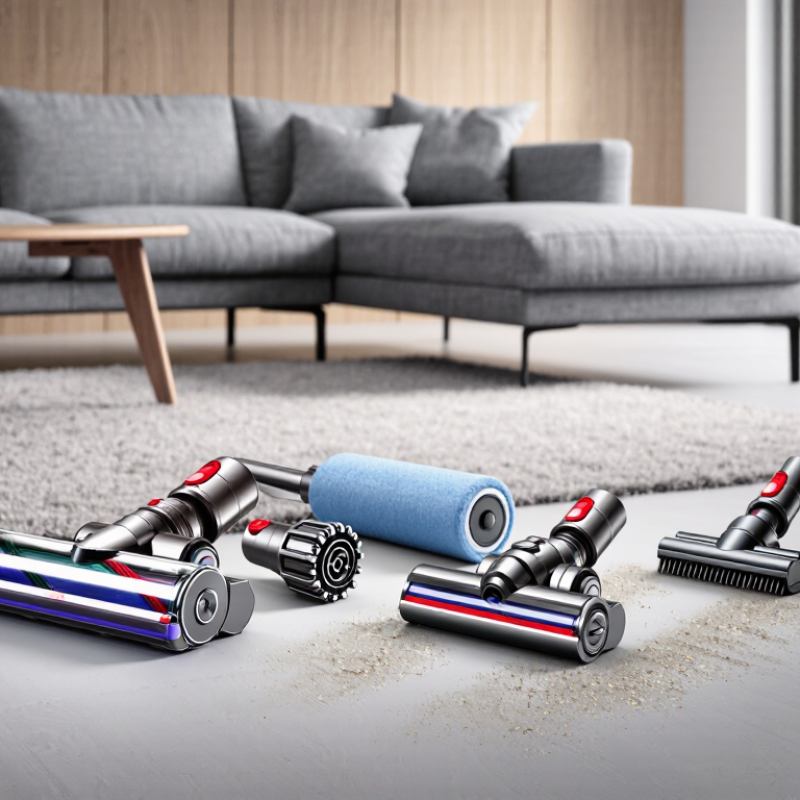
How Vacuum Brush Heads Are Classified: Powered, Air-Driven, and Passive Types
Brush vacuum heads are classified by what drives the brush roll. Powered heads use an electric motor, so the roll keeps turning even when airflow drops. They can lift embedded grit from carpet, but stiff bristles may scatter crumbs on smooth floors. Air-driven heads use suction to spin a turbine. Their brush speed can fall when filters clog or the nozzle seals tightly against carpet. Passive heads have no rotating roll; fixed bristles or a broad suction opening collect surface dust. They are quieter and simpler, though they may leave lint deep in pile. The trade-off is real.
The European Commission’s Regulation (EU) No 666/2013 set whole-vacuum benchmarks of no more than 43 kWh annual energy use and 900 W rated input, with dust-pickup indices of at least 0.75 on carpet and 0.98 on hard floors. These figures do not rank brush heads alone. IEC 62885-2:2021 provides standardized methods for measuring dry-vacuum performance, helping make head comparisons more meaningful. Check that tests use the same floor type and vacuum setting. A powered roll may look stronger on carpet, yet be a poor match for delicate rugs or loose debris.
Motorized Brushroll Heads: RPM and Carpet Pickup Testing Under IEC 62885-2
Motorized brushroll heads use a rotating bar and bristles to loosen soil from carpet. Their speed matters, but RPM alone cannot predict pickup. A fast roller may scatter debris or struggle when thick pile slows its rotation. I would record speed both freely spinning and while cleaning carpet.
For useful comparisons, test carpet pickup under controlled conditions guided by IEC 62885-2. Use the same carpet, soil load, head setting, and forward-and-back pass speed for each run. Weigh the carpet or collected dust before and after, and repeat the test.
Small changes matter.
A slightly different stroke can shift the result.
Log brushroll RPM separately with a tachometer, and note the test voltage and carpet type. This helps explain why two heads with similar speeds may remove different amounts of soil. Bristle stiffness, roller width, suction airflow, and contact pressure all affect the result.
A practical test should also check whether hair wraps around the roller after repeated passes. That detail is easy to overlook. One limitation remains: laboratory carpet results may not match every home, especially on uneven or heavily worn flooring.
Air-Driven Turbo Heads: Turbine Design, Airflow, and Debris Pickup
Air-driven turbo heads use suction to spin an internal turbine, which turns a brush roll against the floor. No separate brush motor is needed. Air enters through the head, moves the turbine, and exits toward the vacuum’s dust path. The design is compact, but its performance depends on steady airflow. Small changes matter.
On low-pile carpet, the rotating bristles can lift grit and crumbs from between fibers. The brush also gathers hair, though long strands may wrap around the roll and slow it down. On hard floors, some heads can scatter larger debris if the brush spins quickly. A head with adjustable height or a brush shutoff can help, but not every model offers these controls. Watch how debris moves during a pass.
Air-driven heads can lose brush speed when filters clog, the hose narrows, or the bin fills. That makes a weak pickup seem like a brush problem when airflow may be the cause. Check the brush roll for wrapped fibers and clear the intake regularly. It is a simple design, not a self-maintaining one. Results also vary with carpet thickness and vacuum strength, so a turbo head that works well in one room may struggle in another. That trade-off is easy to overlook.
Soft-Roller Heads: Hard-Floor Dust Pickup and Roller Construction
Soft-roller heads are built to collect fine dust and larger crumbs from hard floors. Their wide, soft-covered roller sweeps debris toward the suction opening instead of relying on stiff bristles. On tile, sealed wood, or laminate, this can reduce the scattering of flour-like dust. It is not magic. A slow, steady pass usually picks up more than a quick sweep.
The roller often has a soft fabric or microfiber-like surface around a rotating core. Some designs include strips or grooves that help guide debris inward, while the head’s opening carries it into the vacuum. Construction varies, so check whether the roller can be removed for cleaning. Hair and threads can wrap around its ends, where they are easy to miss. A small amount can affect rotation.
Soft rollers are generally intended for hard surfaces, not thick carpet. On uneven grout or textured flooring, fine particles may remain in shallow gaps. I have also found that a roller can look clean while holding dust between its fibers. Inspect it under good light, and follow the vacuum’s care instructions before washing or reinstalling it. Let it dry fully. A damp roller can spread residue or develop an unpleasant smell.
Specialty Heads: Anti-Tangle, Pet-Hair, and Combined-Roller Designs
Anti-tangle heads use combs, fins, or grooved rollers to guide hair toward suction. This can limit wrapping around the axle, though long strands may still catch at the ends. Check whether the roller lifts out easily; cleaning its narrow edges matters. A clever design still needs hands-on maintenance. Pet-hair heads often use rubber strips or firmer bristles to loosen fur from upholstery and rugs. On delicate rugs, aggressive bristles may be too much. Match the head to the surface, not just the pet.
The American Pet Products Association’s 2023–2024 National Pet Owners Survey estimates that 86.9 million U.S. households own pets, including 65.1 million dog-owning and 46.5 million cat-owning households. These figures show why hair pickup matters, but they do not prove that any particular head works better. Combined rollers pair softer strips for fine dust with bristles for larger debris, which can suit homes with mixed flooring. Still, a roller that grips carpet may scatter crumbs on tile. Check for removable rollers and clear care instructions. “Anti-tangle” does not mean tangle-free.