What Is the Best Type of Sleeping Bag?
Choosing the best Sleeping Bag starts with an honest look at where and when you will use it. A frosty campsite at dawn demands different insulation from a mild summer trail. So does a damp forest, where moisture can make a comfortable bag feel clammy. There is no single winner for every sleeper. The right choice depends on temperature, packed weight, fit, and care.
Ryan Jordan, founder of Backpacking Light and an experienced outdoor-gear tester, is known for evaluating equipment in real backcountry conditions. Rather than invent a verbatim quotation, here is a clear paraphrase of the practical lesson behind that testing: “Choose a bag for the conditions you expect, and judge its warmth, weight, and performance together.” That is a useful starting point, not a complete answer. A snug mummy shape may save weight, yet feel restrictive; a roomy rectangular bag can be easier to sleep in, but bulkier to carry. Down insulation packs small, while synthetic fill can be more forgiving when damp. Details matter.
This guide compares sleeping-bag shapes, insulation types, temperature ratings, and key features, so you can match a bag to your trips instead of chasing a universal “best.” Check the rating carefully. Your sleep system, clothing, and personal comfort all affect warmth. Even careful planning can miss something: a draft at the zipper or a cold patch beneath your hips can change the night. That deserves a second look.
How Sleeping Bags Are Classified by Insulation and Shape
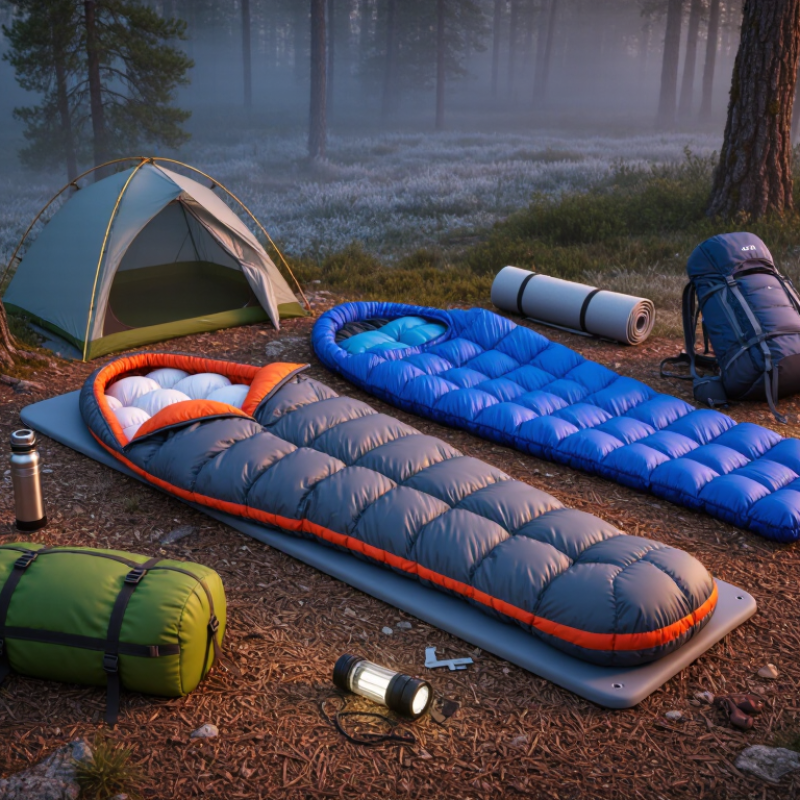
Sleeping bags are commonly classified by insulation and shape, two choices that affect warmth, weight, and comfort. Down insulation compresses into a small bundle and offers strong warmth for its weight. It can lose much of its insulating ability when wet, so moisture management matters. Synthetic insulation usually dries faster and retains more warmth when damp, though it often takes up more pack space. Check the temperature rating carefully; testing methods and real sleeping conditions can differ.
Shape changes how a bag feels through the night. A mummy bag narrows toward the feet, reducing empty space your body must warm. It suits cold-weather trips, but some sleepers find the close fit restrictive. Rectangular bags allow more room to turn and may feel familiar, especially at campsites with mild nights. Semi-rectangular designs sit between the two. A trade-off.
The labels are useful, but they do not tell the whole story. A well-insulated bag can still feel cold on a thin sleeping pad, because heat escapes toward the ground. Clothing, wind, humidity, and individual comfort also matter. I have seen people focus heavily on the bag’s rating and overlook their pad; it is an easy mistake. Try the fit at home, with the layers you expect to wear, and check whether the hood and zipper feel manageable. Classification is a starting point, not a guarantee.
Down Sleeping Bags: 600–900 Fill Power and High Compressibility
Down sleeping bags with 600–900 fill power offer strong loft for relatively little weight. Fill power measures the volume an ounce of down occupies, not the bag’s warmth by itself. The International Down and Feather Bureau’s Testing Regulations describe standardized fill-power testing, while EN 12130:2018 sets out a method for measuring the filling power of down. At 600 fill power, an ounce occupies roughly 9.8 liters; at 900, about 14.7 liters. That extra loft can trap more still air. The difference is noticeable when packing.
Still, a higher number is not an automatic reason to buy. Total down weight, construction, fit, and temperature rating all affect warmth. A well-filled 650-fill bag may suit a cold sleeper better than a lightly filled 900-fill bag. Check the stated temperature rating and the bag’s dimensions, then consider where you will use it. A narrow footbox can feel chilly. Small detail, big effect.
High-fill-power down generally compresses into a smaller bundle, leaving more room in a pack. But repeated compression and damp conditions can reduce loft, so dry the bag fully after trips and avoid storing it tightly packed. I tend to overvalue compactness when comparing gear; in practice, a dry, properly sized bag matters more than a tidy pack. Fill-power figures rely on controlled tests, and results can vary with the testing method. Read the rating as useful evidence, not a guarantee.
What Is the Best Type of Sleeping Bag? - Down Sleeping Bags: 600–900 Fill Power and High Compressibility
| Comparison | 600–699 Fill Power | 700–799 Fill Power | 800–900 Fill Power |
| What the rating means | One ounce of down occupies approximately 600–699 cubic inches under a standardized fill-power test. | One ounce occupies approximately 700–799 cubic inches under the same type of test. | One ounce occupies approximately 800–900 cubic inches under the same type of test. |
| Warmth for a given down weight | Generally provides less loft per ounce than higher-fill-power down. A bag can still be very warm if it contains enough down and is well constructed. | Offers a balance of loft per ounce, packability, and cost for many backpacking applications. | Generally provides more loft per ounce, which can help reduce weight when designing a bag for a particular warmth target. |
| Compressibility | Usually packs larger than a comparable bag using higher-fill-power down, though shell fabric, construction, and fill amount also affect packed size. | Typically compresses well and is a practical choice when pack space matters. | Usually offers the greatest compressibility among these ranges when other design factors are similar. |
| Weight potential | May require more down to reach a given loft, which can increase the finished bag’s weight. | Can offer a useful middle ground between lower weight and overall purchase cost. | Can reduce the amount of down needed for a given loft, but the finished bag’s weight also depends on fabric, zippers, shape, and construction. |
| Moisture considerations | Down can lose much of its insulating loft when wet. A water-resistant treatment may slow moisture absorption, but it does not make a sleeping bag waterproof. Keep the bag dry and air it out when practical. |
| A good fit for | Campers prioritizing value and willing to carry a somewhat bulkier bag. | Backpackers seeking a versatile balance of pack size, weight, and cost. | Trips where low packed volume and low weight are priorities, such as lightweight backpacking or mountaineering. |
| What to check before buying | Compare the bag’s tested temperature rating, total down fill weight, fit, baffle design, and packed dimensions. Fill power alone does not indicate how warm a complete sleeping bag will be. |
Selection note: There is no single best fill-power range for everyone. Choose based on the expected conditions, your sleep warmth, budget, and the amount of weight and pack space you can spare.
Synthetic Sleeping Bags: Moisture Tolerance and Weight Trade-Offs
Synthetic sleeping bags are valued for handling moisture better than many down options. When insulation gets damp from condensation, a tent leak, or wet clothing, synthetic fill usually retains more warmth and dries faster. It is not waterproof, though. A soaked bag can still feel cold and uncomfortable.
Picture a humid morning: the bag’s outer fabric feels clammy, and a few drops have reached the footbox. Synthetic insulation is often more forgiving in this situation. That can matter on multi-day trips, when fully drying gear is difficult. Still, moisture tolerance does not replace a dry sleeping area or a protective shell. No insulation is magic.
The trade-off is weight and packed size. For similar warmth, a synthetic bag is commonly heavier and bulkier than a down bag. It may fill more of a backpack, leaving less room for food or spare layers. Compare the bag’s temperature rating, weight, and packed dimensions together; a low weight alone tells little. I still find this trade-off easy to underestimate. For damp conditions or trips where reliable drying is unlikely, carrying extra bulk may feel worthwhile. On a dry route with tight pack limits, it may not.
How ISO 23537-1:2016 Standardizes Sleeping Bag Temperature Ratings
What Is the Best Type of Sleeping Bag?
For temperature ratings, the key question is how the bag was tested. ISO 23537-1:2016 sets requirements for sleeping-bag thermal performance and uses a controlled laboratory test with a heated thermal manikin. The test report provides Comfort, Limit, and Extreme temperatures. Comfort describes a relaxed sleeper’s lower comfort threshold; Limit refers to a curled sleeping position; Extreme signals a risk threshold, not a comfortable target.
These figures help compare bags under consistent conditions, but they do not predict every person’s night. The test uses specified conditions and clothing, while wind, damp layers, fatigue, and individual cold sensitivity can change how warm you feel. A rating is useful evidence, not a promise. It is easy to over-trust one number; even a well-tested bag can feel chilly when the ground is cold.
Tips: Use the Comfort rating if you tend to sleep cold, and check the test standard printed on the label. Pair the bag with an insulated sleeping pad, since heat can escape into the ground. Leave room for dry base layers, too.
How to Match a Sleeping Bag to Climate, Fit, and Pack Weight
Choose a sleeping bag for the coldest conditions you reasonably expect, not the warmest afternoon forecast. Temperature ratings are useful comparisons, but comfort varies with metabolism, fatigue, clothing, and the sleeping pad beneath you. Check what the rating represents, and leave a margin if you tend to sleep cold. Cold nights are unforgiving.
For damp trips, synthetic insulation usually keeps more warmth when wet and dries more easily, though it often packs larger. Down insulation compresses well and saves space, but needs protection from moisture. A dry bag helps, yet it is not a substitute for sensible campsite choices. In humid weather, ventilation and a sheltered sleeping spot matter too.
Fit affects warmth and comfort. A bag with excessive space can leave more air for your body to heat; one that is too tight may compress insulation around your shoulders or feet. Try lying in your usual sleep clothes, with knees bent. Small details count. For long walks, compare packed volume as well as weight, then decide whether a few ounces saved are worth less room to move. It is easy to overvalue the lightest option; a restless night can cost more than the weight savings.