2026 Top Bedroom Table Trends for Global Buyers
The 2026 bedroom table market is moving toward quieter, smarter, and more adaptable furniture. Global buyers increasingly want compact designs that support sleep, work, storage, and personal routines. A narrow table beside a 90-centimeter bed may need drawers, cable control, and a stable surface for a lamp. Small footprint. Strong function.
Dieter Rams, a respected industrial designer, famously said, “Good design is as little design as possible.” This principle remains useful when evaluating modern bedroom table collections. Clean lines should not remove practical details, such as rounded edges, smooth runners, ventilation for charging devices, or moisture-resistant finishes. Natural oak, bamboo, recycled wood, and textured laminates are gaining attention, but material claims still require careful supplier verification. Green labels alone prove little.
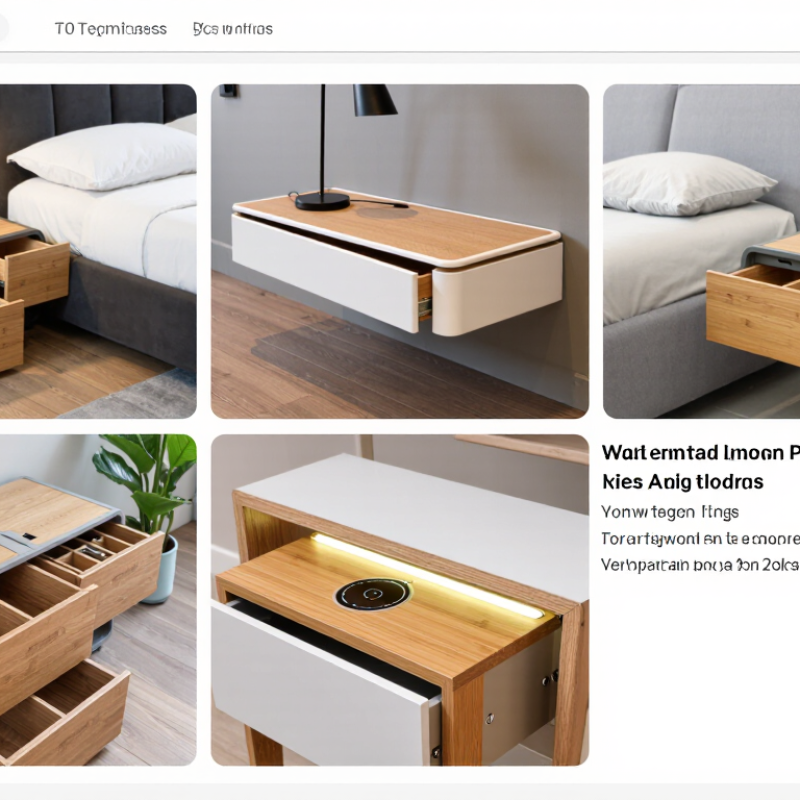
This guide explores the leading 2026 trends from a buyer’s perspective. It considers modular bedside tables, floating designs, hidden storage, integrated lighting, and technology-friendly features. It also compares dimensions, assembly needs, packaging quality, and regional preferences across major markets. A bedroom table may look attractive in a showroom, yet feel unstable beside a real mattress. That difference matters.
No forecast is flawless. Consumer tastes change quickly, and some “smart” features may become outdated sooner than expected. Buyers should test drawer movement, inspect finish consistency, and request reliable product specifications before placing large orders. The strongest designs will probably balance visual calm with everyday resilience. Not every trend deserves adoption. Practical evidence should decide.
Bedroom Tables Defined: Types, Functions, Dimensions, and Buyer Use Cases
2026 Top Bedroom Table Trends for Global Buyers
Bedroom tables now serve different routines, not one fixed purpose. A nightstand keeps lamps, books, medicines, and charging devices within reach. A bedside chest adds drawers for clothing or personal items. Nesting tables support flexible layouts, while vanity tables serve grooming and laptop use. Grand View Research estimates the global furniture market exceeded US$650 billion in 2023, with online purchasing continuing to expand. Buyers therefore need clearer product specifications.
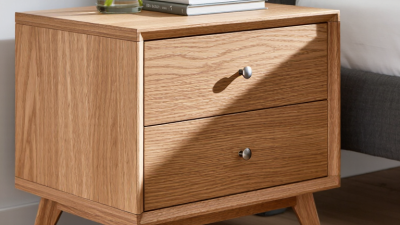
Dimensions should follow the room and the user. For bedside use, the tabletop should sit close to mattress height, usually within 5 centimeters. A practical width is 40–60 centimeters, with a depth of 35–45 centimeters. Smaller rooms benefit from a slim table with one drawer and an open shelf. Larger bedrooms can accept a 60–90 centimeter chest. These figures are useful, not universal.
Function changes by buyer group. Apartment residents often prefer compact tables with cable openings and movable legs. Family buyers may prioritize rounded corners and closed storage. Hospitality purchasers usually need durable surfaces, easy cleaning, and consistent dimensions across rooms. Euromonitor’s 2024 home and garden coverage highlights convenience and space efficiency as continuing furniture priorities. I still see buyers choosing appearance before clearance. That mistake is costly. A beautiful table can block a drawer, door, or walking path. Product data should state load capacity, assembly details, materials, and carton dimensions clearly. Even experienced buyers sometimes overlook delivery access.
Market Context: Global Furniture Revenue to Reach $766B by 2030 (FBI)
The global furniture market is projected to reach $766 billion by 2030, according to FBI. This scale is changing how buyers evaluate bedroom tables. Price still matters, but practical value now carries greater weight.
In 2026, buyers are showing stronger interest in compact tables with hidden storage, soft-close drawers, and built-in charging spaces. A 45-centimeter-wide table can fit beside a narrow bed without blocking movement. Rounded corners also reduce sharp contact points in small rooms. Recycled wood, bamboo, and powder-coated metal are gaining attention because they support durability and easier maintenance. However, material claims need careful verification. Green labels alone prove little.
Global purchasing teams are also requesting modular designs. A removable shelf can serve different room layouts, while adjustable legs help manage uneven floors. Warm oak tones, muted green, and textured white are appearing across many bedroom collections. I have noticed that customers often prefer quiet details over dramatic decoration. That preference may not apply everywhere. Regional habits, room sizes, and climate conditions still influence final choices.
For international buyers, reliable specifications are essential. Product sheets should state dimensions, load capacity, surface treatment, packaging size, and assembly requirements. Clear testing records build more trust than attractive photographs. Delivery damage remains an overlooked concern. A beautiful table is useless when its corners arrive chipped. Suppliers should improve protective packaging, though excessive packaging can create another problem. Balancing protection, cost, and waste will require more honest product reviews.
Urban-Space Design: 68% of People May Live in Cities by 2050 (UN)
By 2050, the United Nations projects that about 68% of people may live in cities. Smaller homes will reshape bedroom furniture choices worldwide. Every centimeter matters. In compact apartments, a bedroom table must do more than hold a lamp. It may support charging, reading, storage, and a morning cup of coffee.
The strongest 2026 trend is adaptable, space-conscious design. Buyers are seeking narrow tables, wall-mounted surfaces, and models with hidden drawers. A depth of 30 to 40 centimeters can preserve walking space beside the bed. Rounded corners also reduce painful bumps in tight rooms. Cable openings keep chargers tidy, while integrated lighting can remove the need for a separate lamp.
Material decisions matter too. Certified wood, recycled metal, and repairable fittings can reduce waste over a product’s life. However, “sustainable” should not remain a vague label. Buyers should request clear material information, durability testing, and care instructions. Local climate deserves attention. Humid regions may need moisture-resistant finishes, while dry areas may favor stable solid panels.
From practical furniture evaluations, I have noticed one common mistake: choosing storage before measuring the room. Large drawers can look useful but block wardrobe doors. A flexible table often serves users better than a fashionable one. Still, minimal designs may lack enough space for medicines, books, or personal devices. That limitation deserves honest review before global buyers place an order.
2026 Buyer Framework: Compare Safety, Durability, Price, and Compliance
2026 Top Bedroom Table Trends for Global Buyers
A practical buyer framework starts with safety, not appearance. Check tip resistance, rounded corners, smooth edges, and stable drawer stops. A table should remain steady when a child pulls the handle. Ask for test reports covering structural strength, surface finishes, and chemical emissions. Requirements differ by market, so confirm current local standards before placing a large order.
Durability deserves hands-on review. Inspect joints, drawer runners, fasteners, and the underside of the tabletop. Assemble one sample and move it across a real bedroom floor. Wobbling often appears after repeated use, not during a showroom inspection. Moisture-resistant panels help in humid rooms, while scratch-resistant finishes protect high-contact areas. However, no finish stays perfect forever.
Price should include packaging, spare parts, inspection, shipping damage, and replacement costs. A low unit price can hide fragile hardware or complicated assembly. Compare the total delivered cost instead. Request clear material specifications and batch records from the supplier. Keep photos and measurements from sample approval. This creates useful evidence if production changes later. I have learned that attractive samples can mislead; consistency across several units matters more. Leave room for doubt. A careful buyer tests again.