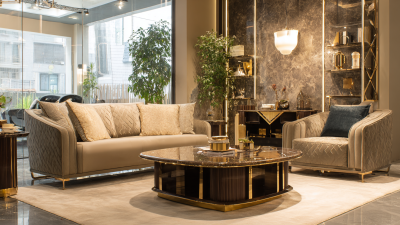
Top 10 Living Room Sofa Types for Global Buyers

Choosing a living room sofa is rarely just a style decision. It affects comfort, room flow, cleaning routines, and long-term spending. Global buyers also face different housing sizes, climates, delivery conditions, and furniture expectations. A sofa that looks elegant in a showroom may feel oversized in a compact apartment.

This guide explores ten practical sofa types for modern living rooms. It considers sectionals, loveseats, sleeper sofas, recliners, modular designs, and other widely purchased options. Each type has distinct strengths, limitations, and maintenance needs. For example, a deep sectional can support family gatherings, while a compact loveseat may suit narrow urban spaces. Upholstery also matters. Breathable linen can feel pleasant in warm weather, while treated fabric or leather may offer easier cleaning.

Details matter.

Reliable selection starts with accurate measurements. Check doorway widths, elevator access, seat depth, frame construction, cushion filling, and warranty terms. Buyers should also confirm material descriptions and care instructions before placing an international order. No sofa fits every household perfectly. I have seen attractive designs fail because their arms blocked a doorway or their cushions felt too firm. That possibility deserves honest attention. The best choice balances appearance, comfort, durability, budget, and practical delivery concerns. These ten sofa types provide a useful starting point, not a final answer. Your room, habits, and local conditions should make the final decision.
Top 10 Living Room Sofa Types for Global Buyers

What Defines a Living Room Sofa Type?

Top 10 Living Room Sofa Types for Global Buyers

What Defines a Living Room Sofa Type?

A living room sofa type is defined by more than its shape. Its seating layout, arm design, back height, and practical purpose all matter. A compact loveseat serves two people, while a sectional can organize a larger family area. A sleeper sofa adds overnight function, but often sacrifices some sitting comfort.

During furniture evaluations, I check the frame, cushion filling, fabric, and joining points. A firm seat may support daily use, yet feel uncomfortable during long conversations. Soft cushions feel inviting, but they can lose shape faster. These differences are important for buyers comparing sofas across countries.

Room size also changes the meaning of a sofa type. A deep sofa may suit a spacious apartment, but overwhelm a narrow living room. Removable covers help in homes with children or pets. Breathable upholstery can feel better in humid climates, while tightly woven fabric may handle frequent use. Check the seat depth carefully.

Labels are not universal. A “modular sofa” may describe separate movable units in one market and a fixed sectional in another. That creates confusion. Buyers should request exact dimensions, material details, assembly instructions, and carton measurements before ordering. Photos can mislead. A sofa may look small online, then dominate the room in person. There is no perfect type for every home.

The Ten Most Popular Sofa Types for Global Buyers

The ten most popular sofa types for global buyers reflect changing homes, budgets, and lifestyles. Grand View Research estimates the global sofa market reached about US$29 billion in 2023. It also projects steady growth through 2030. Space-saving designs remain important in many urban markets.

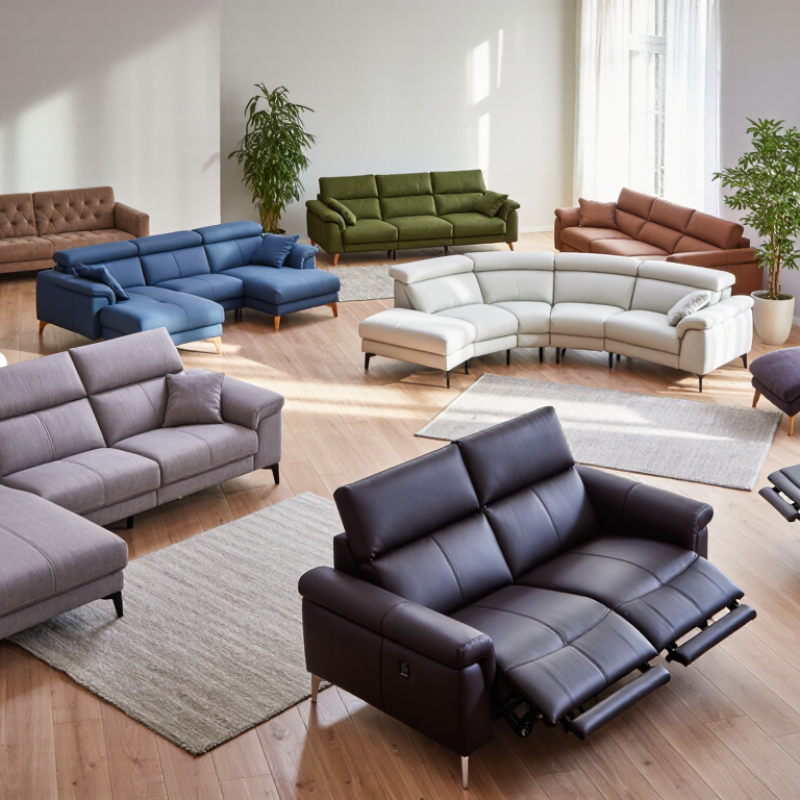
The ten leading choices include the sectional sofa, three-seat sofa, loveseat, sofa bed, recliner sofa, chaise lounge, modular sofa, Chesterfield sofa, futon, and outdoor sofa.

Sectionals suit open-plan rooms and family gatherings. Three-seat sofas offer familiar proportions and easier delivery. Loveseats fit apartments, bedrooms, or compact reception areas. Sofa beds support guests without needing another room.

Recliner sofas prioritize comfort, especially for long evening use. Chaise lounges encourage relaxed seating, but they need careful room planning. Modular sofas allow buyers to change layouts as needs develop.

Chesterfields provide a formal, detailed appearance. Futons serve flexible rooms, although their sleeping comfort varies. Outdoor sofas require weather-resistant frames and fabrics.

According to IMARC Group’s furniture market analysis, residential demand continues to influence global furniture sales. Material selection matters more than many buyers expect. A durable frame, high-density foam, and removable covers can improve long-term value. Yet comfort is personal. A firm sofa may feel supportive in one home and uncomfortable in another. This list is practical, not absolute. Local housing sizes, climate, delivery access, and repair services can change the best choice. Test the seat depth before ordering. It is a small step, but often overlooked.

How Sofa Types Differ in Comfort, Size, and Function

Top 10 Living Room Sofa Types for Global Buyers

How Sofa Types Differ in Comfort, Size, and Function

Sofa type changes how a room feels and works. Sectional sofas offer generous seating, but their deep corners can overwhelm compact rooms. Loveseats suit small apartments and create a closer, more relaxed setting. Sofa beds serve guests well, although their mattresses may feel firmer than expected. Reclining sofas support tired legs and backs, but they need extra wall clearance. Modular sofas provide flexible layouts, especially when families move or rearrange furniture. Measure each module, not only the full length.

Traditional sofas, such as camelback and tuxedo styles, usually provide a more upright sitting position. They fit formal rooms and often have narrower seats. Chesterfield-style sofas bring visual weight and firm support, while rolled-arm sofas feel softer and more familiar. Curved sofas improve conversation areas, but their unusual shape can waste wall space. Low-profile sofas look modern and relaxed, though standing up may feel difficult for older users.

Comfort depends on more than appearance. Seat depth, cushion density, frame support, and upholstery all matter. A 50-centimeter seat may suit average users, while taller buyers often prefer greater depth. Check doorway width, elevator access, and local climate before ordering. In humid regions, breathable fabric may perform better than heavy, heat-retaining materials. No sofa type wins every room. Even a beautiful choice can disappoint when its scale, firmness, or function does not match daily habits.

Materials, Construction, and Style Considerations

Top 10 Living Room Sofa Types for Global Buyers

Materials, Construction, and Style Considerations

Global buyers usually compare ten sofa forms: sectionals, loveseats, sofa beds, modular sofas, recliners, daybeds, tuxedo sofas, camelback sofas, chesterfield sofas, and mid-century designs. Each form needs a different material strategy. According to CSIL’s World Furniture Outlook 2024, global furniture consumption exceeds US$500 billion annually. That scale increases material choices, but it also increases quality variation.

High-resilience foam keeps cushions supportive, while feather blends feel softer but need frequent reshaping. Performance fabrics resist daily spills, yet tightly woven polyester may feel less breathable in hot climates. Full-grain leather ages visibly and can crack without conditioning. I would not claim one material suits every market. Local humidity, cleaning habits, and shipping distance matter more than many product descriptions suggest.

Construction reveals the sofa’s real value. Kiln-dried hardwood frames usually handle repeated loading better than thin composite structures. Sinuous springs suit many modular and contemporary sofas, while eight-way hand-tied systems provide a firmer, more traditional feel. Grand View Research projects the global furniture market to grow at about 5.2% annually from 2023 to 2030, making durability a commercial concern, not only a design preference. Check joint reinforcement, cushion density, fabric abrasion ratings, and repair access before purchase. A useful mistake is choosing style first. The U.S. Environmental Protection Agency estimated 12.1 million tons of furniture and furnishings entered the municipal waste stream in 2018. Repairable construction deserves more attention.

How to Choose, Buy, and Maintain a Sofa Worldwide

Top 10 Living Room Sofa Types for Global Buyers

How to Choose, Buy, and Maintain a Sofa Worldwide

Global buyers should match sofa type with room size, climate, and daily use. A compact loveseat suits apartments, while a sectional needs careful delivery planning. Modular sofas offer flexible layouts, and sleeper sofas support small guest rooms. Reclining, curved, low-profile, and deep-seat designs create different comfort experiences. Do not choose by photographs alone.

Grand View Research reports that the global furniture market was valued at over 500 billion US dollars in 2023, with steady growth expected through 2030. This suggests wider choice, but also more inconsistent specifications between markets. Check seat depth, frame materials, foam density, fabric composition, and warranty terms before ordering. Ask for packaged dimensions, door clearance, and replacement-cover availability. A sofa that fits the room may not fit the elevator.

Maintenance begins before delivery. Use a washable throw in high-contact areas, vacuum weekly, and follow the care label for cleaning products. Keep upholstery away from direct sunlight and heating vents. For fabric performance, compare abrasion results under recognized testing systems, such as EN 14465 or ASTM methods; higher numbers can help, but they do not guarantee comfort. The International Sleep Products Association and furniture testing laboratories repeatedly stress accurate product information and responsible care. I have found that buyers often overvalue stain resistance and undervalue cushion support. That mistake becomes expensive. Inspect seams, legs, and frame movement after arrival, then record defects immediately with clear photographs.