
How to Choose the Right Furniture Dining Table Set?
Choosing a furniture dining table set is not simply a matter of matching colors. It is a daily decision about space, comfort, durability, and changing household needs. According to CSIL’s World Furniture Outlook 2024, global furniture consumption remains a major consumer industry, although growth differs across regions and product categories. That difference matters. A compact apartment and a large family dining room need very different solutions.
Market reports provide useful direction, but measurements should guide the final choice. The International Residential Code commonly recommends clear circulation around dining furniture, while BIFMA performance standards offer valuable reference points for furniture durability and safety testing. Leave enough room to pull out a chair without touching a wall. A practical target is about 36 inches of clearance around the table. Small details matter.
Think about the room at dinner time. Can two people pass behind a seated guest? Will chair arms slide beneath the tabletop? A 60-inch rectangular table may seat six, but thick legs can reduce usable space. Round tables improve conversation, yet they may occupy more central floor area than expected.
No table fits every home. That is worth admitting. Online dimensions can also feel misleading because photographs hide scale. I would measure the room, mark the tabletop with painter’s tape, and test several chair positions before purchasing. Reports explain market behavior; real movement explains comfort. The right furniture dining table set should support everyday meals, weekend guests, easy cleaning, and years of ordinary use—not merely look attractive in a product image.
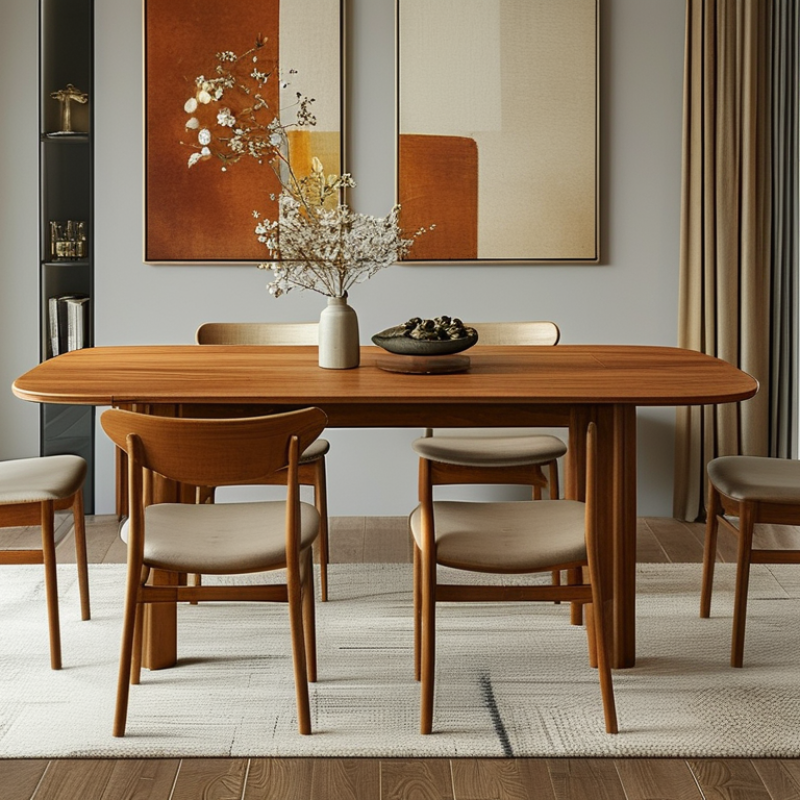
Define Your Dining Space, Seating Needs, and Everyday Requirements
How to Choose the Right Furniture Dining Table Set?
Define your dining space before choosing a table set. Measure the room, including doorways and walking paths. Leave about 36 inches around the table for comfortable movement. A smaller room may need a round table with soft edges. A long room can support a rectangular design. Do not trust showroom proportions alone. I once chose a table that looked modest online, but it overwhelmed a narrow dining area.
Your seating needs should match real household habits. Count daily users, then consider occasional guests. Four chairs may suit a small family, while an extendable table offers useful flexibility. Check chair height against the tabletop. Your knees should fit comfortably underneath, without touching the table frame. Think about children, older adults, and anyone who needs extra space. Style matters, but comfort usually decides whether the set gets used.
Tips: Measure each person’s place setting before buying. Allow roughly 24 inches of table width per diner. Choose wipeable surfaces for frequent meals, but inspect the finish carefully. Some attractive materials show fingerprints quickly. I prefer testing chairs in person when possible. Sit for five minutes. The flaw may appear late. Also check whether the chairs slide fully under the table, especially in compact rooms.
How to Choose the Right Furniture Dining Table Set?
Define your dining space, seating needs, and everyday requirements before selecting a dining table set. The dimensions below provide practical planning guidelines for common dining areas.
| Dining Space & Seating Need | Recommended Table Shape | Typical Table Size | Comfortable Seating Capacity | Minimum Room Size | Recommended Clearance Around Table | Best Everyday Use |
|---|---|---|---|---|---|---|
| Compact breakfast area 2 people |
Round or square | Round: 30–36 in diameter Square: 30–36 in per side |
2 people | About 7 ft × 7 ft | At least 30 in from the table edge to walls or furniture | Morning coffee, quick meals, and small apartments |
| Small dining nook 4 people |
Round, square, or compact rectangular | Round: 42–48 in diameter Rectangular: 36–48 in long × 30–36 in wide |
4 people | About 8 ft × 8 ft | 30–36 in for basic movement and chair use | Daily meals in a compact household |
| Standard dining area 4–6 people |
Rectangular or oval | 48–60 in long × 36–40 in wide | 4–6 people | About 10 ft × 10 ft | 36 in recommended; 42 in is better for frequent circulation | Regular family meals, homework, and occasional guests |
| Family dining room 6 people |
Rectangular or oval | 60–72 in long × 36–42 in wide | 6 people | About 11 ft × 11 ft | 36–42 in around the table | Everyday family dining with comfortable elbow room |
| Entertaining space 6–8 people |
Rectangular, oval, or extendable | 72–84 in long × 36–42 in wide | 6–8 people | About 12 ft × 12 ft | 42 in recommended, especially near doorways and serving areas | Family gatherings, dinner parties, and holiday meals |
| Large dining room 8–10 people |
Long rectangular or extendable | 84–96 in long × 40–44 in wide | 8–10 people | About 14 ft × 12 ft | 42–48 in for comfortable serving and chair movement | Frequent entertaining and large households |
| Flexible household 4–8 people |
Extendable rectangular or oval | Closed: 48–60 in long Extended: 72–96 in long Width: 36–42 in |
4–8 people, depending on extension leaves | About 11 ft × 11 ft when extended | Measure clearance using the fully extended table size | Daily use with occasional guests and changing household needs |
| Open-plan dining area 6 people |
Rectangular, oval, or pedestal table | 60–72 in long × 36–42 in wide | 6 people | Allow at least 36–42 in from the table to nearby kitchen counters or sofas | 42 in is preferable along main walkways | Shared kitchen-dining areas with regular foot traffic |
Planning guideline: allow approximately 24 in of table edge per seated person for comfortable dining. Standard dining tables are usually 28–30 in high, while dining chairs commonly have a seat height of about 17–19 in. Always check the table-base design, chair width, door swings, and fully extended dimensions before purchasing.
Related Posts
-
Top 10 Dining Room Table Set Manufacturers Worldwide
-
How to Navigate Import Export Certifications for the Best Home Decor Dining Table
-
How to Choose the Right Home Dining Table?
-
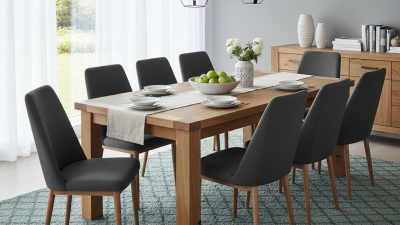
10 Essential Tips for Choosing the Perfect Dining Table Set for Your Home
-
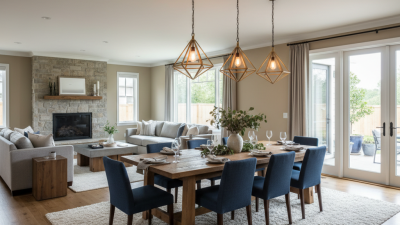
What is the Best Dining Room Table Size for Your Space
-

Ultimate Checklist for Sourcing Home Decor for Dining Table Trends and Insights